BIOGRAPHY / EVIDENCE & LEGEND
Oda Nobunaga
1534–1582 · Warlord who advanced Japan’s unificationOda Nobunaga was a daimyo, or territorial warlord, who expanded from Owari into central Japan during the Sengoku period. He helped install Ashikaga Yoshiaki as shogun, later expelled him from Kyoto, and built a powerful military and political coalition. He died in the Honnoji Incident in 1582 before completing nationwide unification. Hideyoshi and Ieyasu continued the struggle; they were not simply carrying out an agreed succession plan.
Did Nobunaga unify Japan? ↓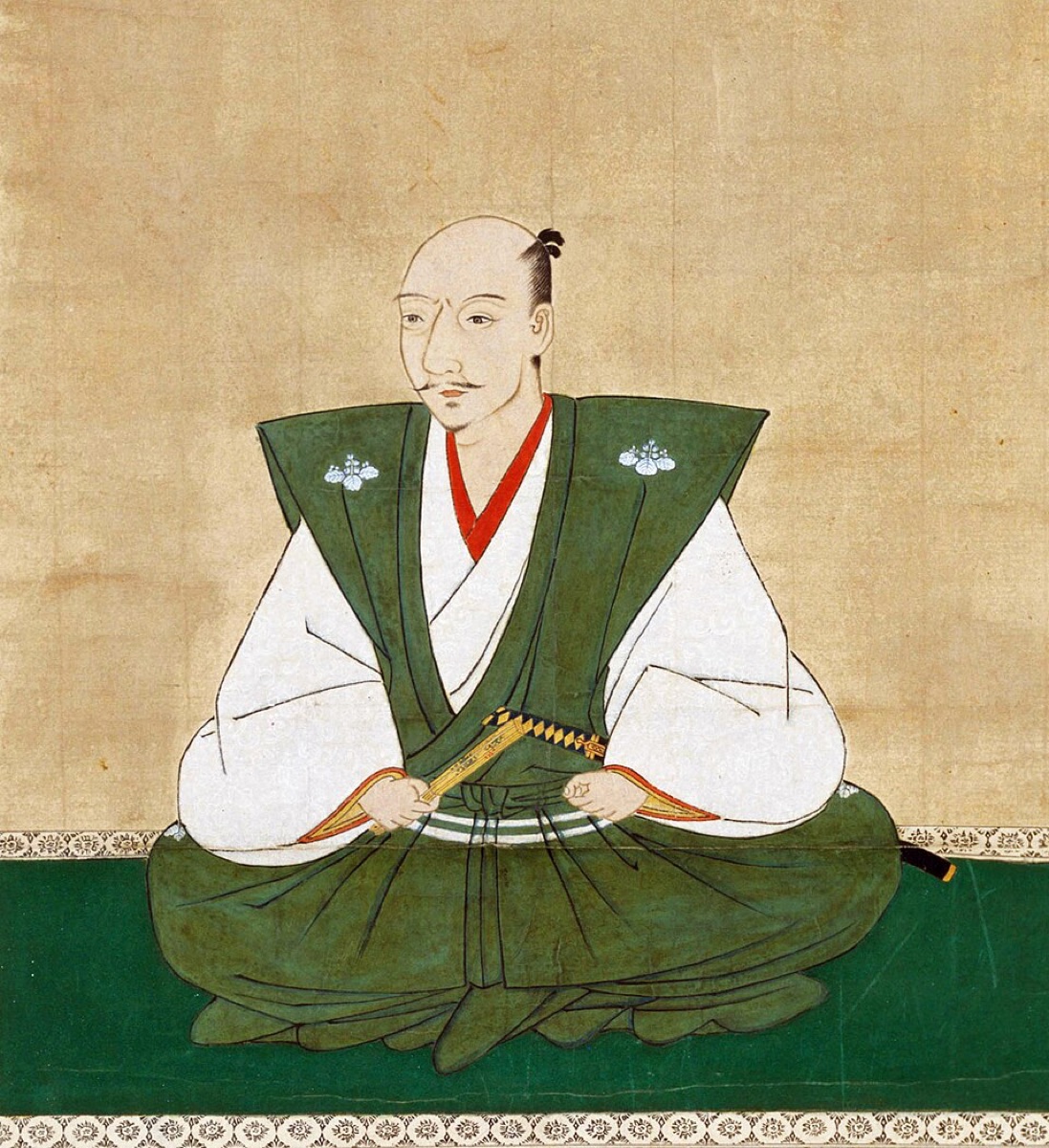
Nobunaga’s life at a glance
- 1534
Born into the Oda family of Owari, in the western part of present-day Aichi Prefecture.
- 1560
Defeated Imagawa Yoshimoto at Okehazama, creating room for further expansion.
- 1567–1568
Established his base at Gifu, issued market regulations and entered Kyoto in support of Ashikaga Yoshiaki.
- 1573
Expelled Yoshiaki from Kyoto after their political relationship broke down.
- 1575
Fought alongside Tokugawa Ieyasu against Takeda Katsuyori at Nagashino–Shitaragahara.
- 1576
Began building Azuchi Castle beside Lake Biwa as a new centre of power.
- 1582
Died after Akechi Mitsuhide attacked Honnoji in Kyoto. His heir Nobutada also died during the coup.
Owari and Okehazama: a breakthrough, not instant supremacy
Nobunaga began as a regional lord, not the ruler of a unified country. Owari contained rival warrior interests, while the Imagawa controlled territories to its east. His victory over Imagawa Yoshimoto in 1560 changed that regional balance, but did not give him command of Japan.
The useful question is what victory made possible: consolidating his position, expanding toward Mino and eventually entering the politics of Kyoto. A single dramatic encounter can make a memorable story; the subsequent years of territorial control, alliances and administration explain why its consequences lasted.
Sources: [1]
Did Nobunaga unify Japan or become shogun?
Neither description is accurate. In 1568 he brought Ashikaga Yoshiaki to Kyoto and supported his appointment as shogun, the head of the warrior government. Nobunaga himself did not hold that office. Their cooperation eventually gave way to confrontation, and in 1573 Nobunaga expelled Yoshiaki from Kyoto.
That expulsion is conventionally used to mark the end of the Muromachi shogunate, but it did not mean every rival immediately submitted. When Nobunaga began Azuchi Castle in 1576, large regions remained outside his control. His achievement was a major expansion of central power, not a completed national settlement inherited peacefully by his successors.
Market rules: read the documents behind the innovator image
Nobunaga’s rakuichi–rakuza policies are often described as free markets. Surviving regulations give a more specific picture. Gifu Prefecture identifies a 1567 notice confirming privileges for an existing market and a 1568 order for Kano addressing commerce and public order.
The Kano provision allowed trading without membership of a commercial guild. That is a meaningful change, but not proof that Nobunaga invented all open markets or abolished every economic restriction throughout Japan. Reading a dated order for a particular place is more reliable than turning a memorable slogan into a universal policy.
Nagashino: an alliance, firearms and defensive positions
At Nagashino–Shitaragahara in 1575, Nobunaga and Tokugawa Ieyasu fought Takeda Katsuyori. This was a coalition victory, not Nobunaga defeating an entire opposing army alone. Firearms, defensive positions and the arrangement of forces matter to an explanation of the battle.
Popular retellings often turn the fighting into an exact drill of three rotating ranks of musketeers. The battle and the use of guns should be distinguished from confidence about every command and firing sequence. A diagram or reconstruction can help a visitor imagine terrain without serving as a contemporary photograph of the fighting.
Azuchi Castle and the costs of expanding power
Azuchi was a political statement as well as a military base. Its position near Lake Biwa connected Nobunaga’s rule with routes through central Japan. The monumental castle and its decoration expressed an authority that could not be understood through battlefield victories alone.
Expansion also involved destructive warfare. The attack on Mount Hiei in 1571 is part of Nobunaga’s legacy, not an inconvenient detail to erase from a story about innovation. Recognising the political power of religious institutions does not justify violence against their communities. Nor should a single label—moderniser, atheist or demon—replace investigation of particular campaigns and decisions.
How did Nobunaga die at Honnoji?
In 1582, Akechi Mitsuhide turned his forces against Nobunaga in Kyoto. Nobunaga died at Honnoji, while his heir Nobutada also died during the coup. The overthrow removed the centre of Oda leadership; it did not automatically place a stable new government in Mitsuhide’s hands.
Mitsuhide’s motive remains unresolved. Personal resentment, political conflict and opportunity are explanations to examine, not a confession left by the attacker. Likewise, vivid dialogue and a precise description of Nobunaga’s final moments should not be presented as securely witnessed facts. Our Honnoji article separates the attack from the later stories surrounding it.
Finding Nobunaga in Kyoto and beyond
The present Honnoji Temple is not the location attacked in 1582. Kyoto City identifies the earlier site west of the current temple; Hideyoshi later ordered the relocation. Our Kyoto history route distinguishes the original-site marker from the present temple, so readers can visit without confusing memorial geography with the scene of the attack.
Azuchi belongs to a separate journey in Shiga, not an extra stop promised by that Kyoto itinerary. Modern displays and reconstructions can explain the castle, but should be distinguished from surviving remains. For the next stage of the political story, read Hideyoshi’s biography; for the alliance and eventual Tokugawa settlement, continue with Ieyasu.
COMMON QUESTIONS
Questions about Nobunaga
What is Oda Nobunaga famous for?
He expanded from Owari into central Japan, supported and later expelled the Ashikaga shogun, developed market and castle policies, and advanced unification before his death in 1582.
Was Nobunaga the shogun or emperor?
No. He was a powerful daimyo who exercised influence over the shogunate and court, but was neither shogun nor emperor.
Who killed Oda Nobunaga?
He died during the 1582 attack on Honnoji by the forces of his commander Akechi Mitsuhide. The precise final moments and Mitsuhide’s motive remain uncertain.
Did Nobunaga finish unifying Japan?
No. Hideyoshi subsequently brought the principal daimyo under his authority, while Ieyasu later established the Tokugawa shogunate. These were distinct stages and competing political projects.
SOURCES