Sengoku period / ESSENTIAL EVENT
The Battle of Okehazama
Oda Nobunaga concentrated a smaller force against Imagawa Yoshimoto’s command position and transformed the balance of power along the Tokaido corridor.- Historical place
- 尾張国・桶狭間
- People connected
- 4
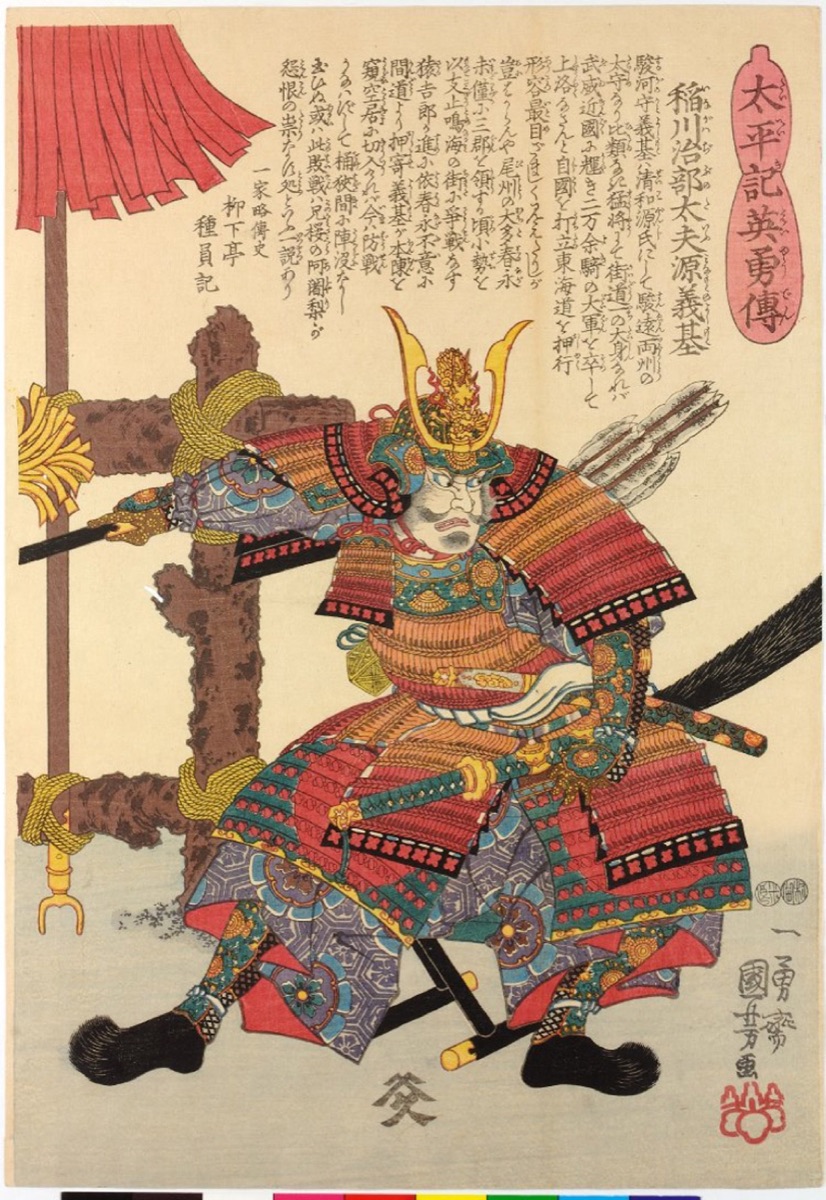
Why were the Imagawa and Oda fighting?
The Imagawa controlled Suruga, Totomi and Mikawa and were pressuring eastern Owari. Nobunaga had only recently consolidated much of Owari, while Matsudaira Motoyasu—the future Tokugawa Ieyasu—served in the Imagawa army.
How did Nobunaga defeat Yoshimoto?
As Imagawa units attacked border forts and dispersed, Nobunaga advanced from Kiyosu through Atsuta to the front. After heavy rain, his force struck Yoshimoto’s position. Yoshimoto was killed and the larger army withdrew.
What came next
Imagawa control weakened, Motoyasu returned to Okazaki and moved toward independence, and Nobunaga gained room to attack Mino. The battle created opportunities rather than instantly making Nobunaga ruler of Japan.
Why it still matters
Okehazama rewards a reading based on terrain, intelligence, divided forces and command decisions—not simply the legend of a tiny army defeating an enormous one by luck.
COMMON QUESTIONS
Questions about The Battle of Okehazama
Short answers separate documented events from later assumptions and familiar legends.Who were Nobunaga and Yoshimoto before the battle?
Both were daimyo: regional warrior lords competing for territory and authority during the Sengoku period. Yoshimoto led a major power east of Owari, while Nobunaga was building his position within Owari. These old provinces do not match today’s prefectural boundaries. Owari covered western Aichi, including the Nagoya area; neighbouring Mikawa, Motoyasu’s homeland, lay to its east. Start with this regional contest rather than imagining two rulers already fighting for a unified Japanese state.
Did a tiny army defeat the entire Imagawa army at once?
That image compresses a campaign into one encounter. Toyoake City’s account describes Imagawa attacks on Marune and Washizu forts before the clash at Yoshimoto’s position. Its figures of roughly 25,000 Imagawa troops and 3,000 Oda troops should be read as reported estimates, not an exact count of everyone fighting in the same place. Our explanation distinguishes overall army size from the forces around the commander: killing Yoshimoto was decisive without requiring Nobunaga to defeat every Imagawa unit separately.
Was Tokugawa Ieyasu Nobunaga’s ally at Okehazama?
No. Under the name Matsudaira Motoyasu, he carried supplies into Odaka Castle for the Imagawa. After Yoshimoto’s death he returned to Okazaki. The official Okazaki chronology places his attacks on Imagawa positions in 1561 and his alliance with Nobunaga in 1562. His later partnership with Nobunaga must not be projected backwards into the battle of 1560. He adopted the personal name Ieyasu in 1563 and the family name Tokugawa in 1566.
How certain are the famous stories about the battle?
The outcome is clearer than every movement on the battlefield. Nagoya City Museum identifies the opening volume of Ota Gyuichi’s Shinchō kōki as an important account of Nobunaga’s early career, including Okehazama. Modern site descriptions combine historical writing, local traditions and reconstructed routes. A visitor map is therefore not a surviving military plan. Rain and a sudden attack feature in familiar accounts, but a precise route, timing or dramatic scene should be checked against its source rather than treated as established merely because it is often repeated.
Did Okehazama immediately end the Imagawa or make Ieyasu shogun?
Neither. Yoshimoto’s death opened opportunities, but the political changes took years. The Okazaki chronology records Ieyasu’s later fighting against Imagawa positions and the surrender of Kakegawa Castle in 1569. His appointment as shogun came in 1603, more than four decades after Okehazama. Reading these as separate stages avoids turning a consequential victory into an instant transfer of all power to Nobunaga or Ieyasu.
Where can you visit the Okehazama battlefield today?
Distinguish the historic site in Toyoake from Okehazama Kosenjo Park in Nagoya’s Midori Ward: they are separate places preserving battlefield traditions, not two names for one park. Toyoake’s monuments include memorials erected long after 1560. Nagoya’s park has statues of Nobunaga and Yoshimoto. Odaka Castle remains offer another stop connected to Motoyasu’s supply operation, with traces of moats and an earthen bridge. Use the official location pages below to identify each destination before travelling; do not expect an untouched battlefield or a surviving sixteenth-century castle building.
PLACE
Read the landscape
Sites in Toyoake and Nagoya preserve competing battlefield traditions. Visiting both reveals how historical memory and modern geography overlap.
Open the historical location on a map ↗PEOPLE
People in this story
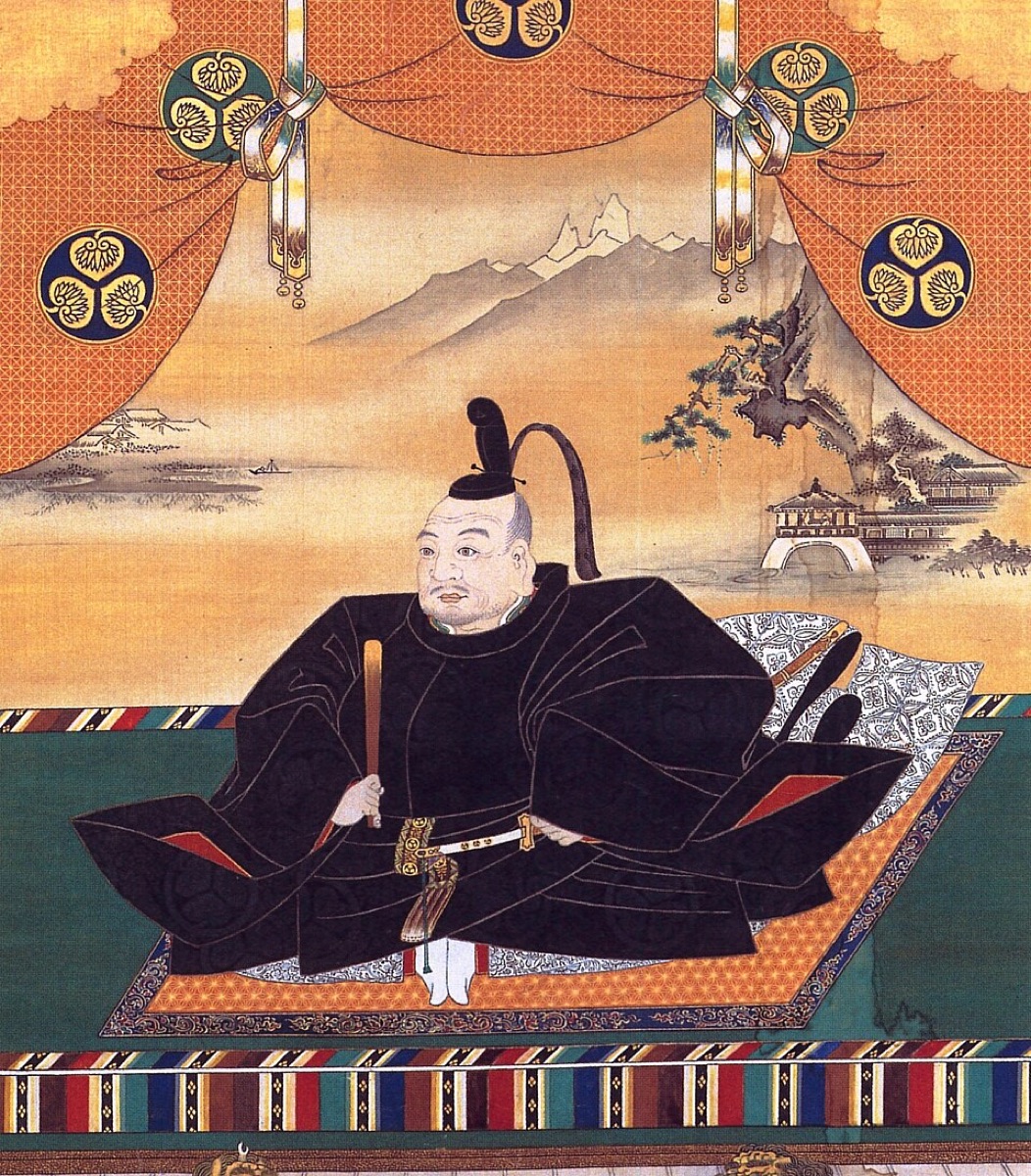
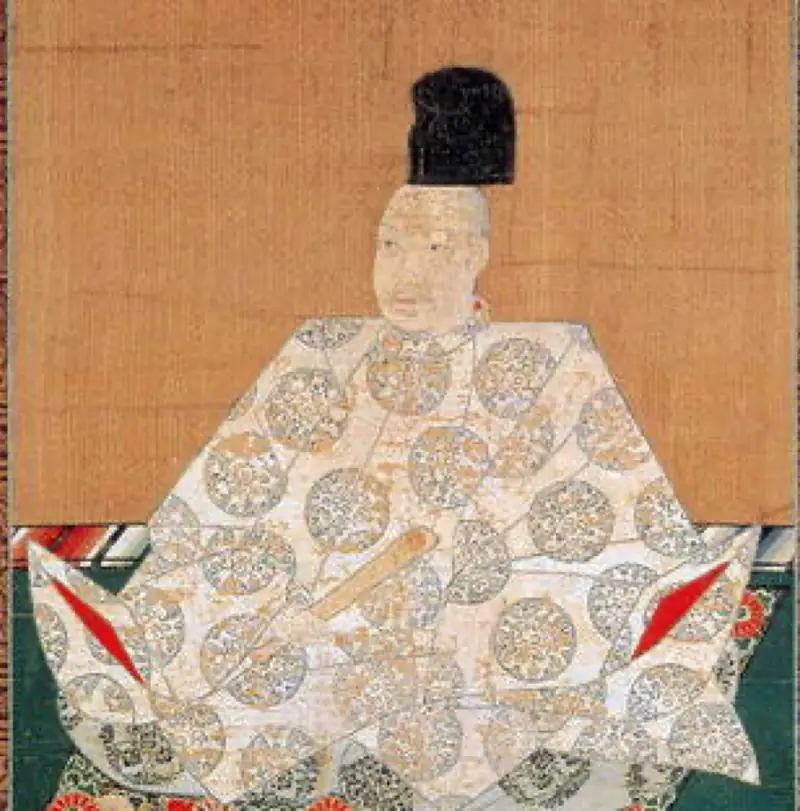
Person profiles are currently available in Japanese.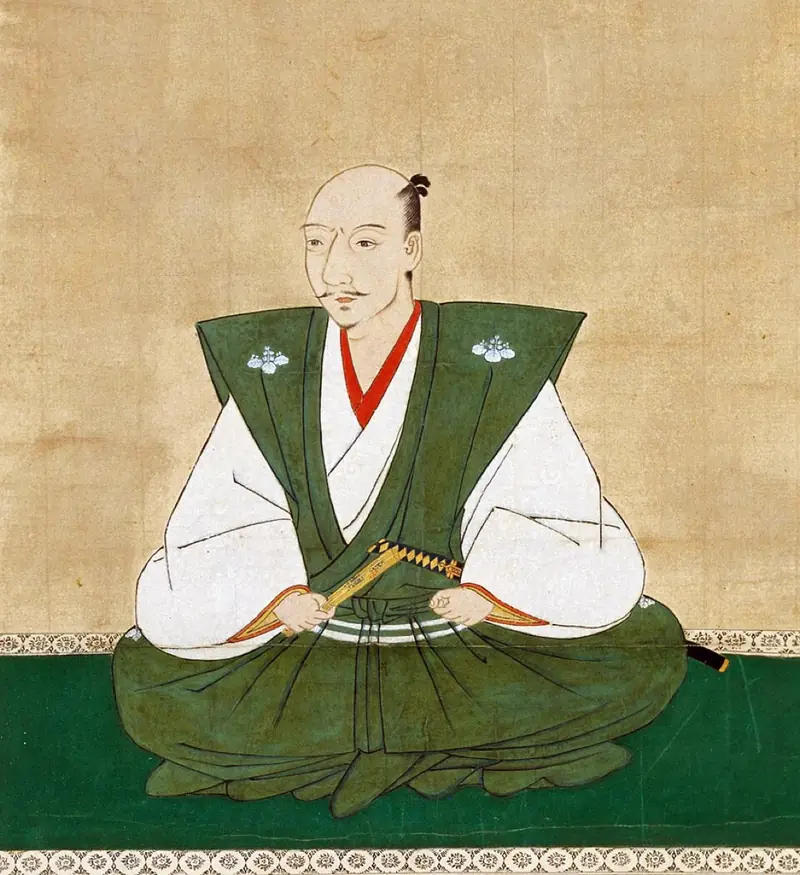
SOURCES
Evidence and further reading
Sources include Japanese institutional pages and English visitor information; language labels identify the additional reading.