Asuka period / ESSENTIAL EVENT
The Isshi Incident and Taika Reform
A palace coup removed the Soga leadership and opened a long, uneven effort to build a government centred on the sovereign.- Historical place
- 大和国・飛鳥板蓋宮
- People connected
- 4
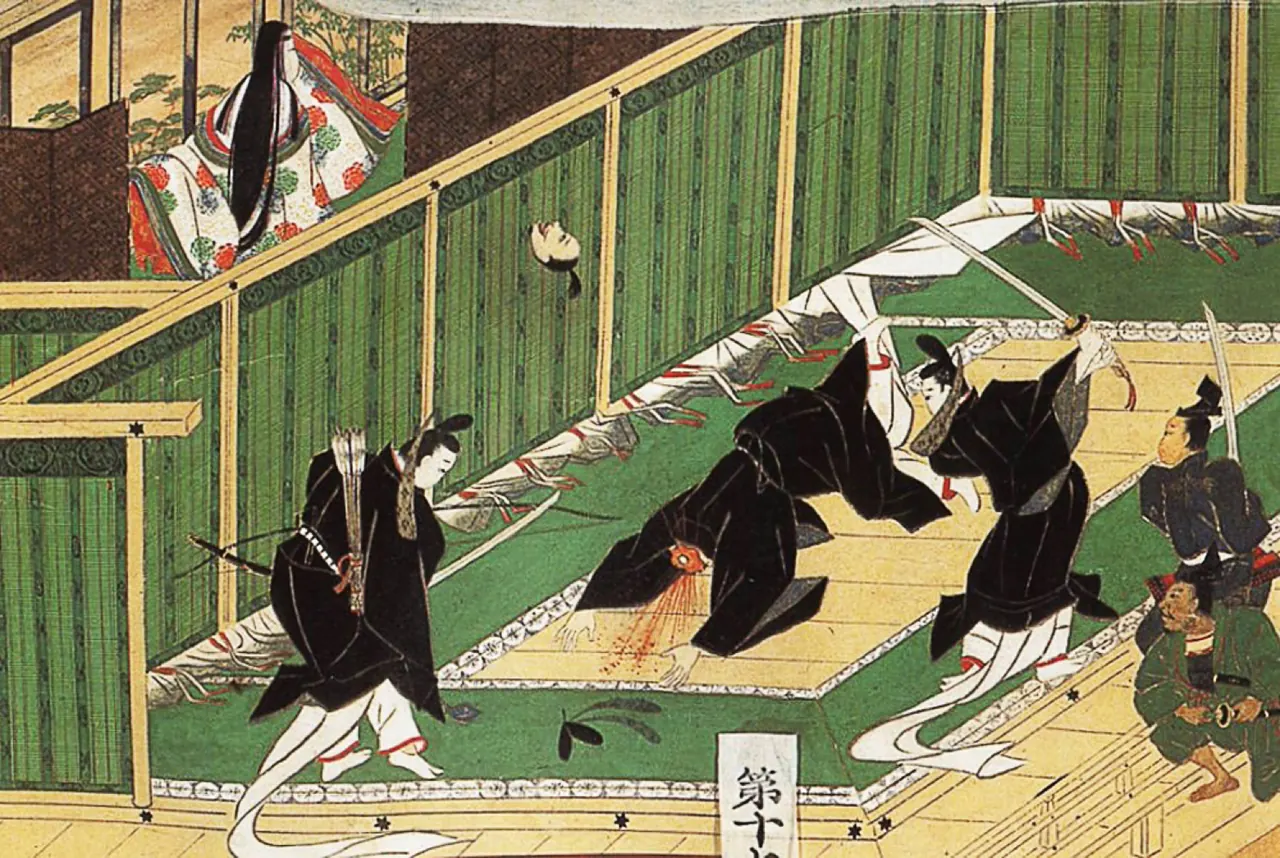
Why did the Isshi Incident happen?
By the seventh century, the Yamato court was responding to powerful aristocratic families at home and rapidly changing states across East Asia. The Soga clan had become the dominant court faction, while Prince Naka no Oe and Nakatomi no Kamatari sought to reorganise political authority.
What happened in the 645 palace coup?
In 645, Soga no Iruka was killed during a court ceremony. His father Emishi died soon afterwards and the senior Soga line collapsed. The new government issued reform measures associated with the Taika era, including claims over land, households and provincial administration.
What came next
The reforms were not a single overnight revolution. Policies were revised for decades, especially after the defeat at Baekgang in 663 and the Jinshin War in 672. They nevertheless formed part of the path toward the ritsuryo legal state.
Why it still matters
The event matters because it links a dramatic coup to the slower construction of institutions. It also shows why Japanese state formation must be read in an East Asian diplomatic and military context.
PLACE
Read the landscape
Asuka in Nara Prefecture preserves palace, temple and burial sites connected with the people and political world of the reform era.
Open the historical location on a map ↗PEOPLE
People in this story
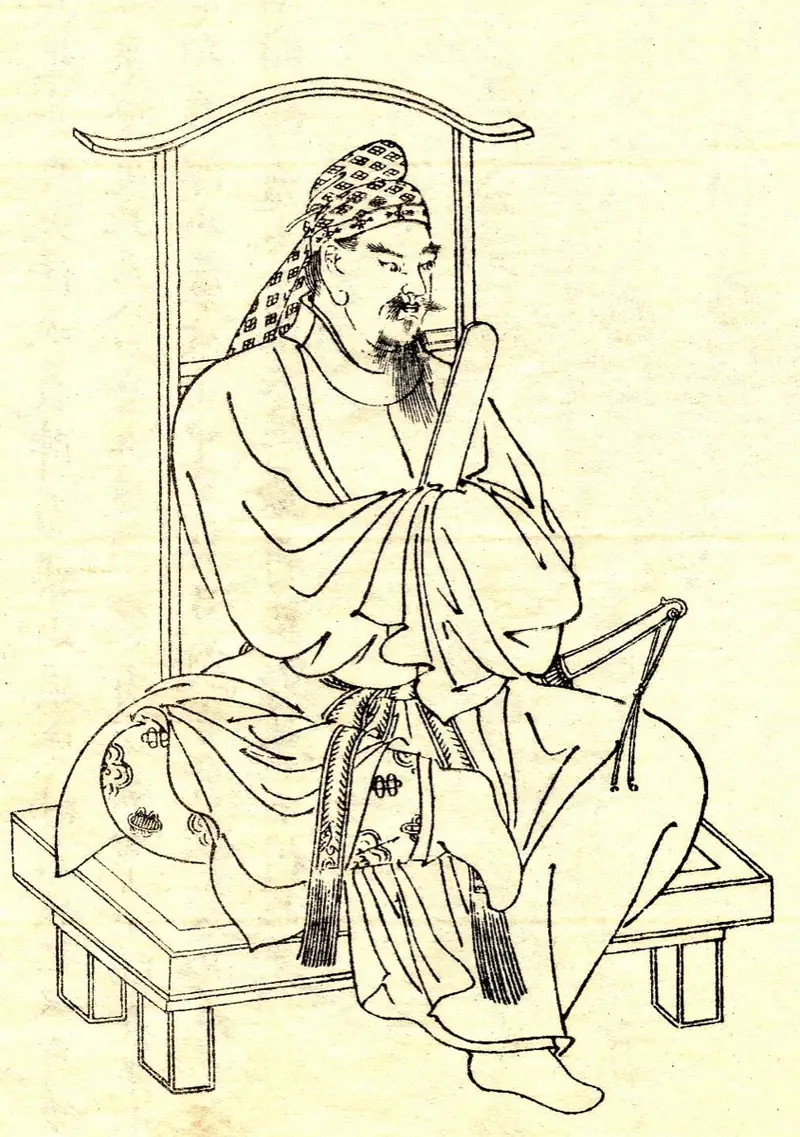
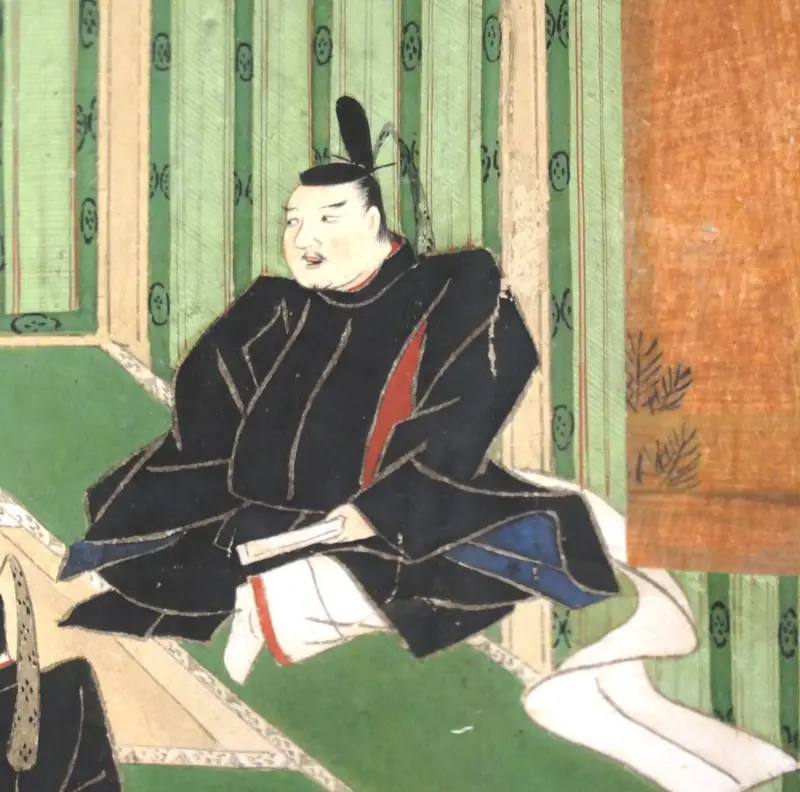
Person profiles are currently available in Japanese.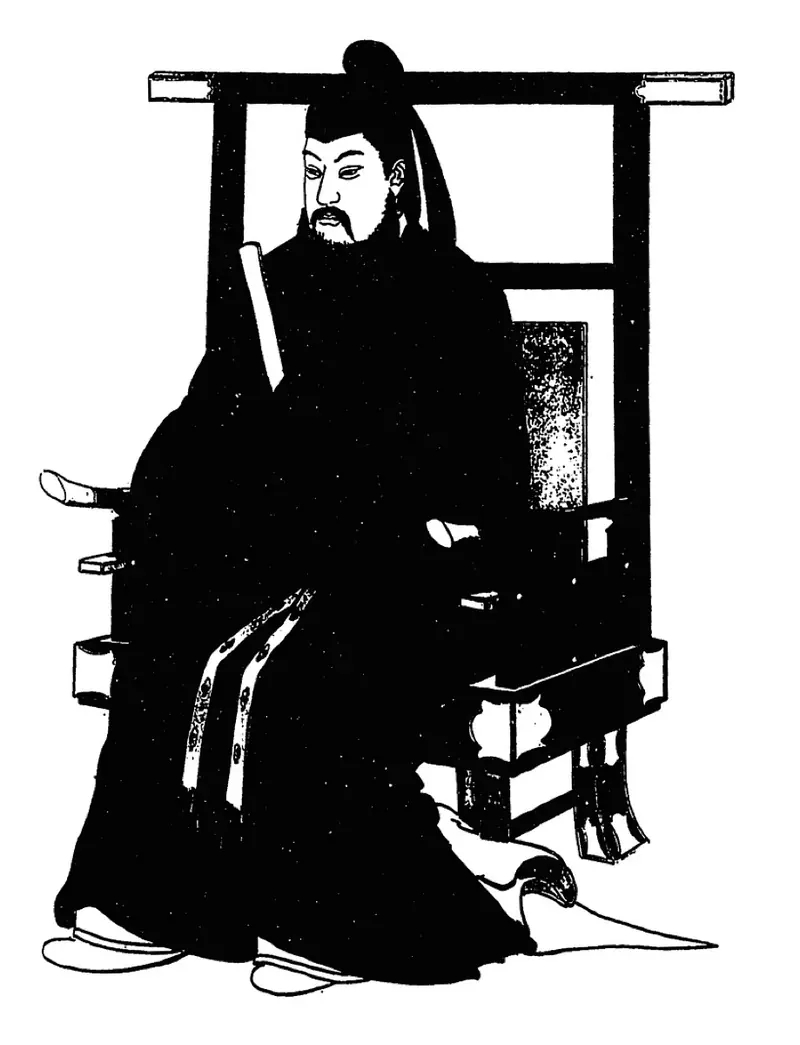
SOURCES
Evidence and further reading
Source titles and descriptions are shown in Japanese so you can identify the original institutional page.