Asuka period / ESSENTIAL EVENT
Missions to Sui China
Envoys crossed the sea to Sui China in search of diplomacy, knowledge and a stronger place for Wa within the East Asian political order.- Historical place
- 大和国・小墾田宮/隋・洛陽
- People connected
- 3
Why did relations with Sui China matter?
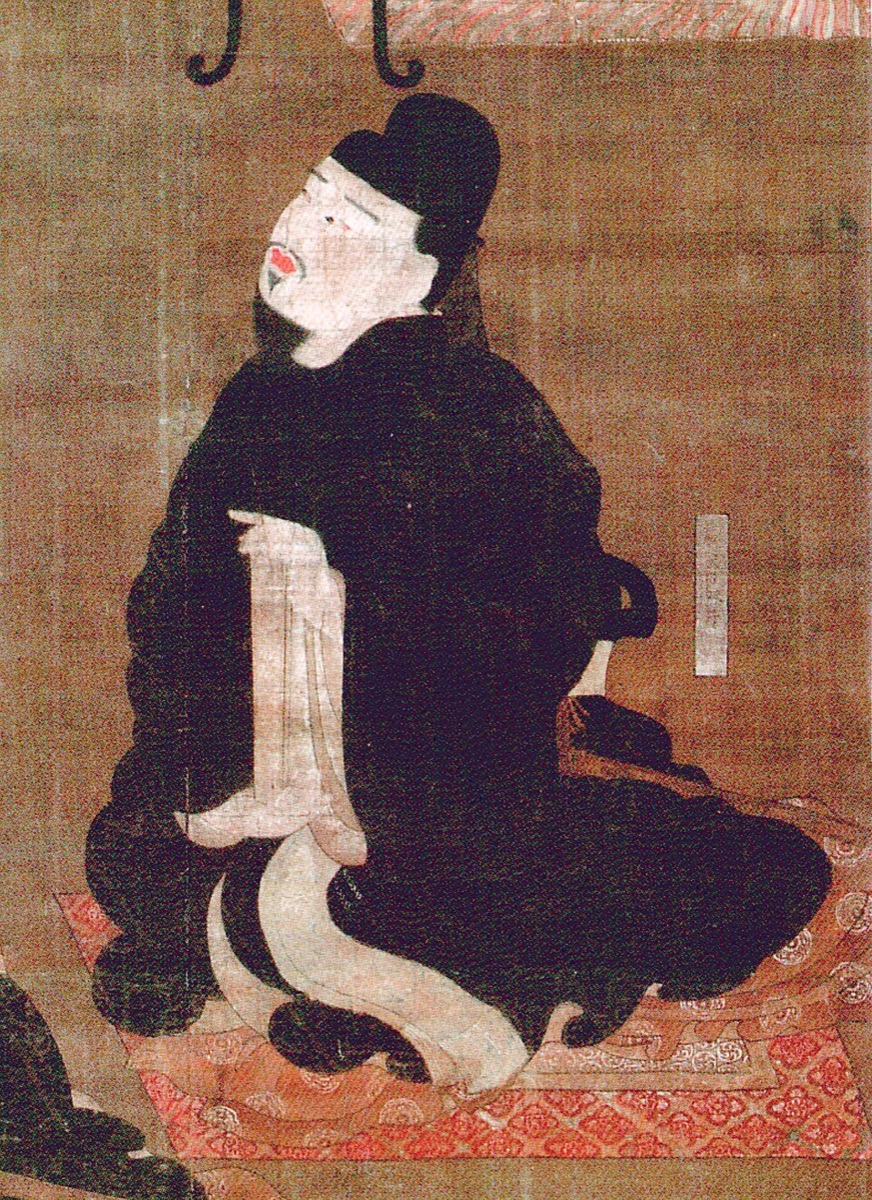
China had been reunified under the Sui dynasty, while the Korean peninsula remained divided among rival states. The court of Empress Suiko was adopting new ranks, Buddhist learning and political practices, making overseas diplomacy central to domestic reform.
What happened during the mission of 607?
In 607, an embassy commonly associated with Ono no Imoko reached the Sui court. Chinese dynastic history records a letter from the ruler of Wa that used unusually assertive language. Later missions included students and monks who studied continental institutions, texts and religious practice.
What came next
Sui fell in 618, but the exchange established routes and ambitions that continued through missions to Tang China. Returning travellers and imported knowledge contributed to the longer transformation of government, Buddhism, writing and elite culture.
Why it still matters
The missions show that early Japanese state formation was not an isolated process. Diplomatic language, risk at sea and the movement of people and texts all shaped how the court understood its authority at home and abroad.
COMMON QUESTIONS
Questions about Missions to Sui China
Short answers separate documented events from later assumptions and familiar legends.Was 607 the first mission to Sui China?
No. The Book of Sui records an embassy from Wa in 600, before the better-known mission associated with Ono no Imoko in 607. Wa is the name used in Chinese accounts for the polity discussed here. The date at the top of this page highlights the famous 607 exchange; it does not mark the beginning of all contact with China. Earlier relations also existed before the Sui dynasty.
What did the rising-sun letter say?
The Book of Sui reports a letter addressing the ruler where the sun sets from the ruler where it rises, using the title ‘Son of Heaven’ for both. In that account, Emperor Yang objected to the letter’s lack of respect. This was more than a geographical greeting: the shared title asserted standing in a diplomatic world centred on the Chinese emperor. The wording reaches us through a Chinese historical account, not the original letter.
What did students and monks learn on these missions?
Envoys sought Buddhist scriptures and other books, while scholars and monks studied religious practice and continental institutions. Travellers associated with these exchanges included Takamuko no Kuromaro, Minabuchi no Shoan and the monk Min. Knowledge of administration, law and taxation offered resources for later reform. This was a process of learning and adaptation over time, not the instant installation of a complete Chinese government in Japan. Information about the Korean kingdoms also mattered to the court’s diplomacy.
Did the letter end relations or secure equal status immediately?
Neither conclusion follows simply from the letter. Despite Yang’s displeasure, Sui sent Pei Shiqing to Wa in 608 and exchanges continued. The Book of Sui still describes the relationship in the language of tribute and imperial authority. The return embassy demonstrates continued contact, but it is not by itself evidence of a modern agreement between equal sovereign states. A claim to status and the other court’s acceptance of that claim are different things.
PLACE
Read the landscape
Sites in Asuka and Osaka Bay help connect the inland court with the maritime routes used by envoys travelling toward the continent.
Open the historical location on a map ↗PEOPLE
People in this story
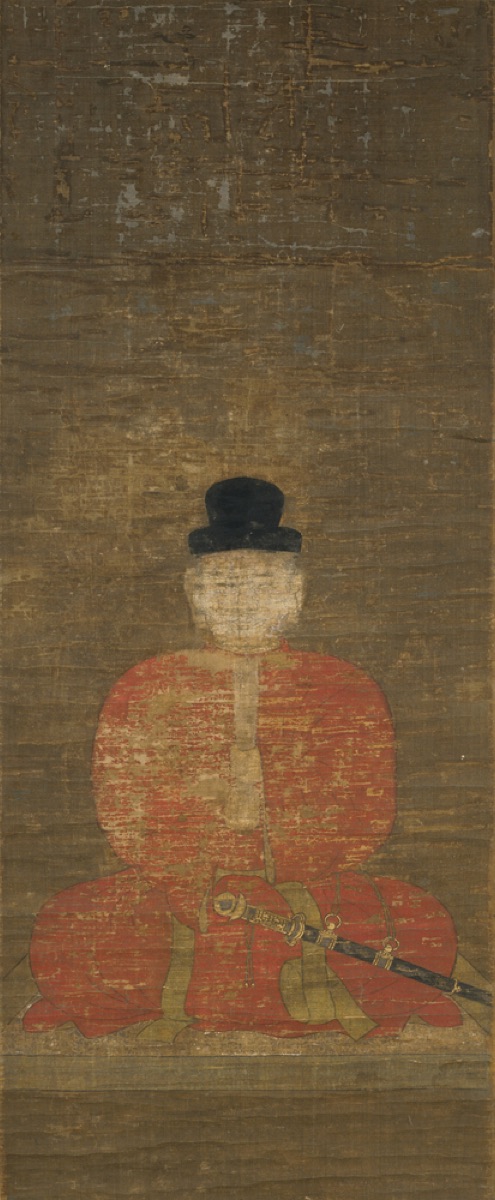
Person profiles are currently available in Japanese.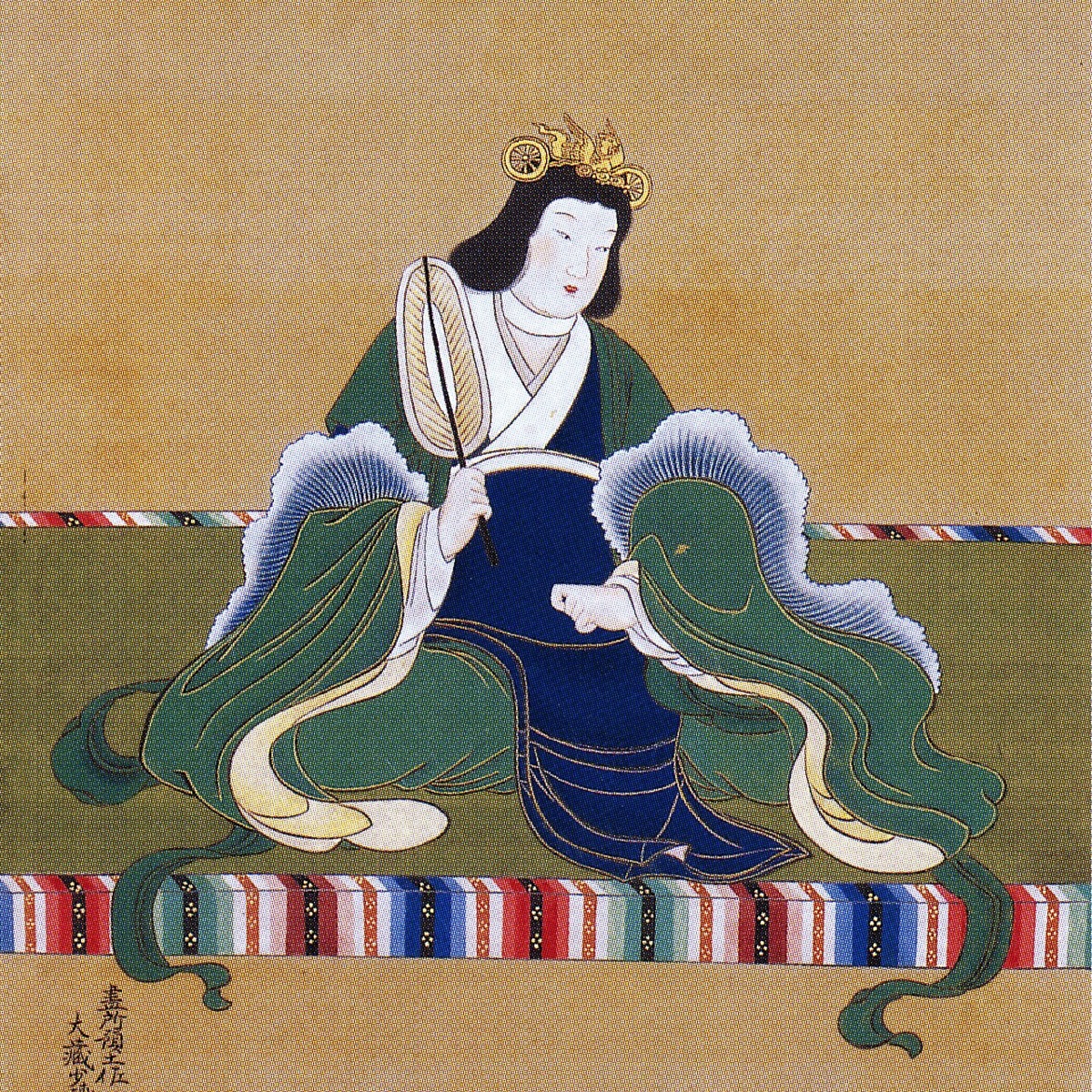
SOURCES
Evidence and further reading
Sources include Japanese institutional pages and English visitor information; language labels identify the additional reading.