Asuka period / ESSENTIAL EVENT
The Seventeen-Article Constitution
A set of political and moral principles urged court officials to value harmony, respect authority and place public duty above private rivalry.- Historical place
- 大和国・小墾田宮
- People connected
- 2
Why did Suiko’s court seek political reform?
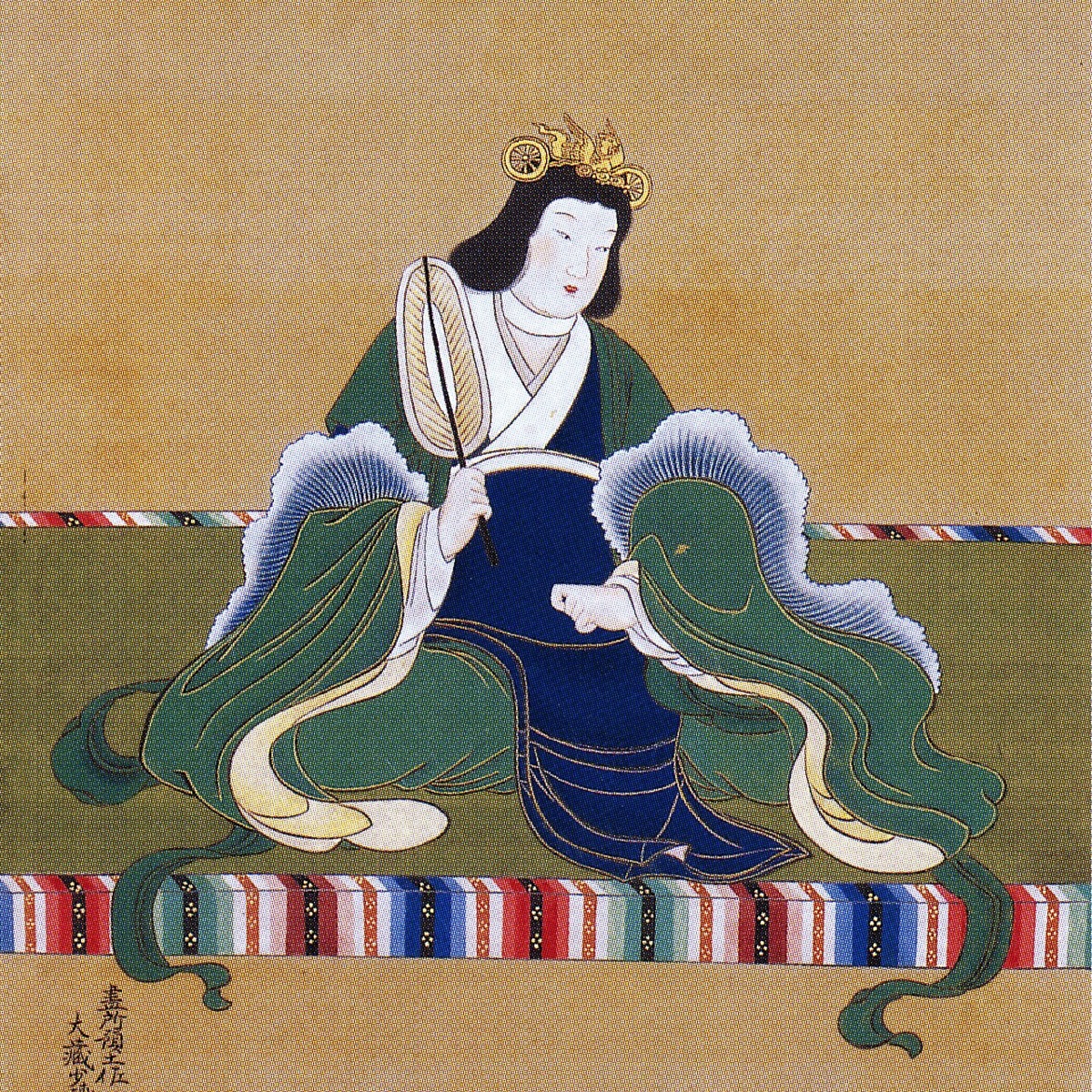
The Yamato court relied on powerful hereditary families whose competing interests could obstruct collective government. Under Empress Suiko, Prince Umayado—later known as Prince Shotoku—and the Soga leadership pursued reforms shaped by Buddhist, Confucian and continental political ideas.
What did the principles of 604 ask officials to do?
The text traditionally dated to 604 presents seventeen principles for those serving the court. It emphasises harmony, obedience to the sovereign’s commands, disciplined conduct, impartial judgement and careful consultation. Despite its English name, it was not a modern constitution defining citizens’ rights or dividing state powers.
What came next
The principles did not erase aristocratic rivalry or create a fully centralised state. They nevertheless became part of the later narrative of seventh-century reform, alongside the cap-ranking system, diplomacy with Sui China and the expansion of Buddhist institutions.
Why it still matters
The document reveals how the court imagined better government before the ritsuryo codes. It is most useful as evidence of political ideals and later historical memory, rather than as proof that every rule was consistently enforced in 604.
COMMON QUESTIONS
Questions about The Seventeen-Article Constitution
Short answers separate documented events from later assumptions and familiar legends.What are the main ideas in the seventeen articles?
Article 1 asks officials to overcome factional quarrels; article 2 honours the Buddha, Buddhist teaching and the monastic community; article 3 requires obedience to the sovereign. Article 5 warns against bribery in judging complaints, while article 17 calls for consultation on major decisions. These examples combine religious commitment, hierarchy and practical standards of conduct. Consultation here means deliberation within the governing order, not a modern elected parliament.
Was it Japan’s first modern constitution?
No. The familiar English word ‘constitution’ can be misleading: this document chiefly describes how people in government should behave. It does not establish a modern system of representative institutions or guaranteed individual rights. Read it as a political and ethical programme for the court, rather than as an early version of Japan’s present constitution. Its aspirations also do not prove that officials consistently followed them.
How do we know about the date and authorship?
The Nihon Shoki attributes the seventeen articles to Prince Shotoku in 604. That chronicle was completed in 720, more than a century after the reported event. The traditional attribution therefore comes through a later historical compilation, not a surviving manuscript written by the prince in 604. This distinction matters when moving from what the chronicle records to claims about the exact drafting process or enforcement at the time.
What was Empress Suiko’s role?
Suiko was the reigning sovereign, not simply a consort to a male ruler. The principles belong to the wider reform setting of her court, where Prince Umayato—later known as Shotoku—and Soga no Umako were important political figures. The twelve-level cap-ranking system and Buddhist patronage also formed part of this setting. Explaining reform through these relationships is more useful than treating Shotoku as a solitary founder or attributing the text’s authorship to Suiko.
PLACE
Read the landscape
Asuka and the Ikaruga area preserve temples and archaeological sites associated with the court, Buddhism and the later memory of Prince Shotoku.
Open the historical location on a map ↗PEOPLE
People in this story
Person profiles are currently available in Japanese.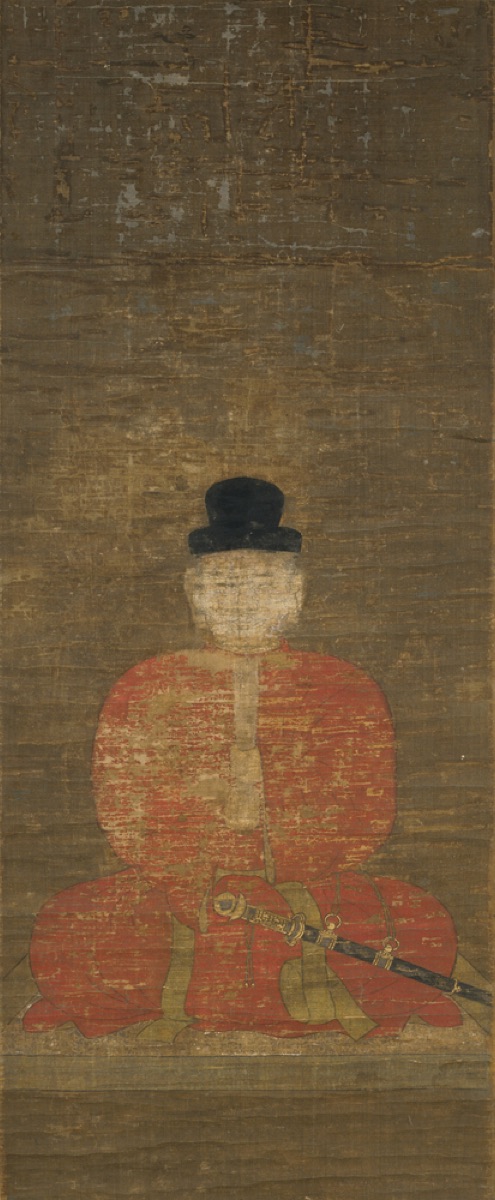
SOURCES
Evidence and further reading
Sources include Japanese institutional pages and English visitor information; language labels identify the additional reading.