BIOGRAPHY / EVIDENCE & LEGEND
Hōjō Masako
1157–1225 · Political leader of the early Kamakura shogunateHōjō Masako helped the Kamakura shogunate survive the loss of successive leaders. The wife of its founder, Minamoto no Yoritomo, she became a Buddhist nun after his death but remained politically active. Her nickname, the ‘nun shogun,’ describes influence rather than an official appointment. Her story connects family succession, warrior loyalty and women’s authority in medieval Japan.
Was the ‘nun shogun’ really a shogun? ↓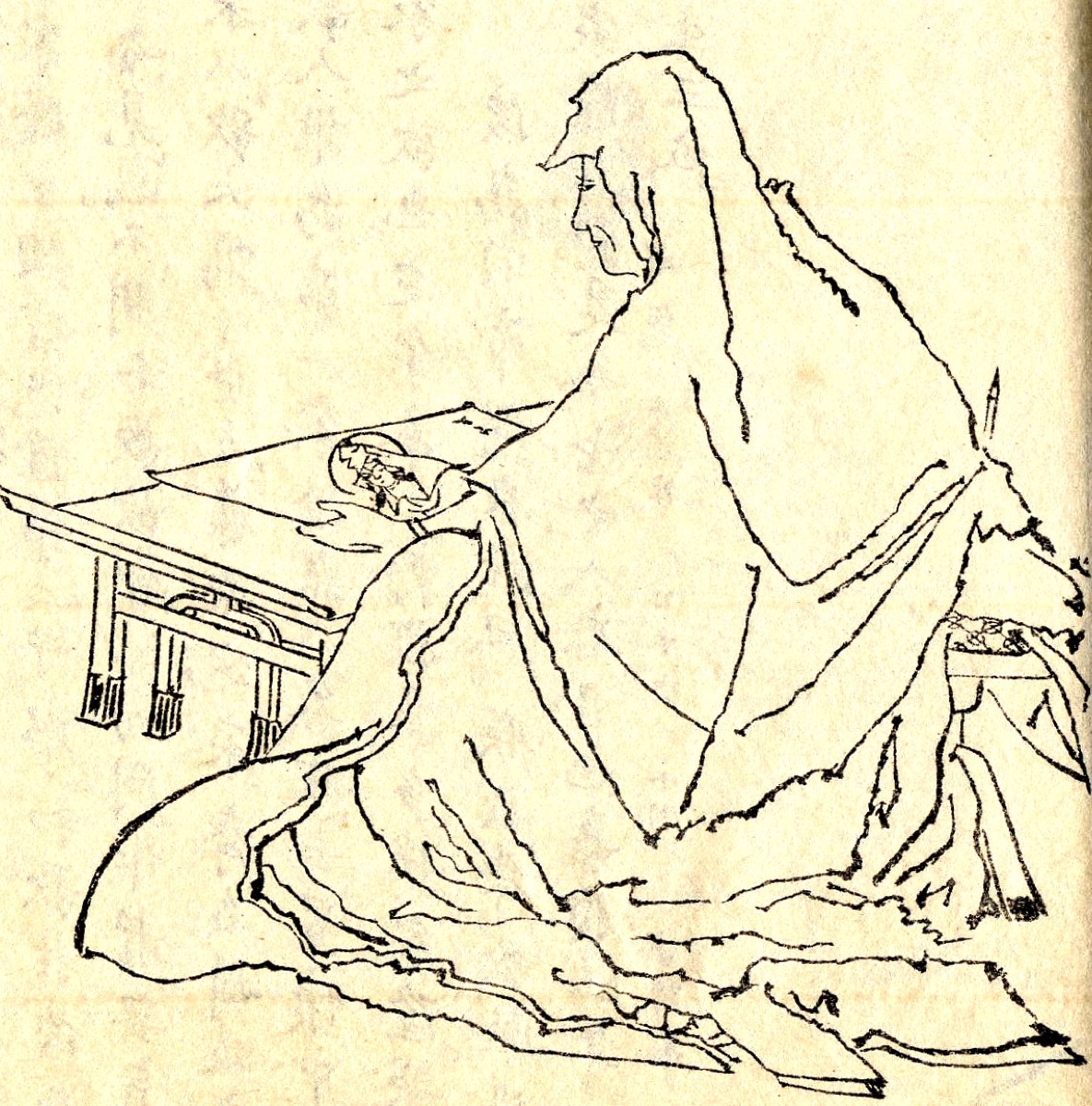
Masako’s life at a glance
- 1157
Born into the Hōjō family of Izu; daughter of Tokimasa and elder sister of Yoshitoki.
- Before 1180
Marries Yoritomo. Moves to Kamakura during the upheaval following his uprising.
- 1199
Yoritomo dies. Masako takes Buddhist vows without withdrawing from politics.
- 1203
Her son Yoriie loses power as the Hiki family is destroyed; his brother Sanetomo succeeds him.
- 1205
Masako and Yoshitoki support Sanetomo against a challenge involving their father Tokimasa.
- 1219
Sanetomo is assassinated. The young Kujō Yoritsune, then called Mitora, is brought from Kyoto.
- 1221
In the Jōkyū War, Masako helps rally the shogunate’s vassals.
- 1225
Dies a year after Yoshitoki, leaving the government to a new generation.
From Izu to the shogun’s household
Masako married Yoritomo while he was living in Izu, before his rise to power. They had four children: Ōhime, Yoriie, Sanman and Sanetomo. Both sons became shoguns. A biography centred only on her marriage misses how much of her political career unfolded after her husband’s death.
The Kamakura government was a network of households and warrior followers, not simply one ruler issuing commands. A disputed succession affected who could protect a warrior’s position and property. This helps explain why the deaths of members of Masako’s family were crises for the government as well as personal losses.
Was Masako actually a shogun?
No. She never received the imperial appointment of seii taishogun. After taking vows in 1199, she exercised authority as Yoritomo’s widow and the mother of his successors. Kamakura’s history museum places this within the role of a widow who could act on behalf of a household’s head. Becoming a nun did not necessarily mean surrendering every worldly responsibility.
Nor was she the only woman involved in politics. The contemporary monk Jien’s Gukanshō describes dealings between Masako and Fujiwara no Kaneko in Kyoto. Such evidence encourages a broader question than whether a woman held a formal office: how did household authority, property and personal connections allow decisions to be made?
Sources: [2]
Family loyalty did not produce simple choices
In 1203, the fall of the Hiki family accompanied Yoriie’s removal and Sanetomo’s succession. Masako was involved on the Hōjō side, so her public role cannot be reduced to protecting her sons at every turn. Yet the evidence does not justify assigning every decision or secret motive to her alone.
She did not always follow her father either. In 1205, Masako and her brother Yoshitoki supported Sanetomo when Tokimasa threatened his position; Tokimasa retired. The useful distinction is not simply ‘Hōjō against Minamoto.’ Cooperation and conflict also ran through the Hōjō family itself.
Sources: [1]
The Jōkyū War and the famous speech
After Sanetomo’s assassination, Masako helped sustain a government without an adult successor from Yoritomo’s line. In 1221, retired Emperor Go-Toba ordered action against Yoshitoki. The shogunate’s followers faced the prospect of fighting the court. The appeal associated with Masako reminded them of benefits received under Yoritomo and urged them to preserve the government he had established.
In the Azuma Kagami passage reproduced in Taisho University’s teaching materials, Adachi Kagemori conveys her words. This is not the same as a modern stage scene in which she delivers a solo address. Nor is a compiled chronicle a verbatim recording. The appeal matters as a statement of political loyalty; the shogunate’s victory also required campaigning, not words alone.
Sources: [3]
What can the sources—and later images—tell us?
Azuma Kagami is indispensable but survives through a complicated manuscript history. Kamakura’s curator explains how fragments and copies were collected into larger texts, including early modern editions. It is a historical compilation rather than Masako’s personal diary. Reading it alongside Gukanshō makes the difference between a reported action and a presumed private feeling easier to see.
Images have histories too. The seated Masako statue from Anyōin listed in the city’s exhibition catalogue dates to the Taishō period, centuries after her death. It is evidence of how she was remembered, not a likeness verified by an eyewitness. The same caution applies when a compelling novel or television scene becomes someone’s mental picture of her life.
Following Masako’s memory in Kamakura
At Jufukuji, Kamakura City identifies monuments traditionally associated with the graves of Masako and Sanetomo. The word ‘traditionally’ matters: a commemorative association is not the same as proof of burial. Follow local access guidance and respect the site as a religious and burial space, rather than assuming every area is open for sightseeing.
Temple records also connect Masako and Adachi Kagemori with Kōyasan. Some survive in later copies, reminding us that founding, memorialising and preserving are different historical acts. Masako died in 1225, after Yoshitoki. Her lasting significance lies less in a label such as heroine or villain than in the difficult work of keeping a government together through changes of leadership.
COMMON QUESTIONS
Questions about Masako
Who was Hojo Masako?
Hōjō Masako was Yoritomo’s wife and a political leader of the early Kamakura shogunate. After becoming a Buddhist nun, she remained involved in succession and helped rally the government’s supporters during the Jōkyū War.
Was the nun shogun a real shogun?
Masako did not hold the formal office of shogun. The nickname refers to her authority after taking Buddhist vows, supported by her position in Yoritomo’s household and her political relationships.
Did Masako deliver the famous Jōkyū War speech herself?
Azuma Kagami describes Adachi Kagemori conveying her words to the vassals. The account is a historical source, not a verbatim recording or proof that a modern dramatic reconstruction happened exactly as shown.
How was Masako related to Hōjō Yoshitoki?
Masako was Yoshitoki’s elder sister. They cooperated in supporting the Kamakura government, including during the confrontation with retired Emperor Go-Toba in 1221.
Where can I follow Masako’s history today?
Kamakura has sites associated with her memory, including monuments at Jufukuji traditionally identified as the graves of Masako and Sanetomo. Check current access rules and distinguish commemorative traditions from verified burial evidence.
SOURCES