Meiji period / ESSENTIAL EVENT
The Meiji Restoration
The Meiji Restoration was the political revolution and civil war that ended Tokugawa rule and established a new imperial government from 1868.- Historical place
- 京都・江戸ほか全国
- People connected
- 4
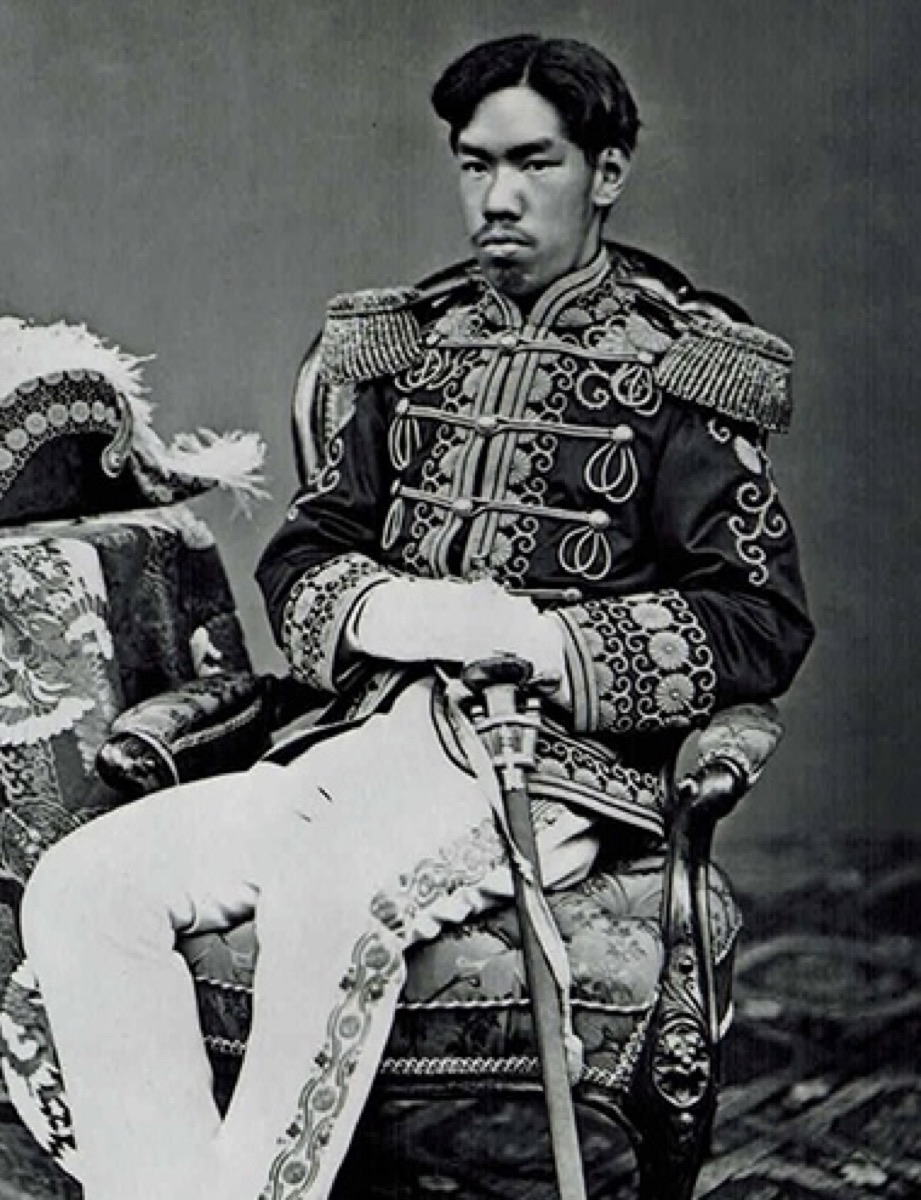
What led to the Meiji Restoration?
Foreign pressure after Commodore Perry’s arrival, disputes over unequal treaties, fiscal strain and a crisis of political authority weakened the Tokugawa shogunate. Satsuma and Choshu built military and court alliances, while supporters of the shogunate pursued competing reforms.
What happened in 1868?
In 1867, Tokugawa Yoshinobu returned governing authority to the imperial court, but a court coalition then proclaimed the restoration of imperial rule. Fighting at Toba–Fushimi in January 1868 opened the Boshin War. Edo surrendered that spring; resistance continued in northeastern Japan and Hokkaido until 1869.
What came next
The new leaders centralised power, replacing the domains with prefectures in 1871. They reorganised taxation, military service, education and government ministries, then pursued a constitution and national parliament. These changes were contested and produced clear winners and losers.
Why it still matters
The Meiji Restoration was not a single-day ceremony or instant westernisation. It was a revolution made through civil war, elite coalition-building and years of institutional change that created a centralised modern state.
COMMON QUESTIONS
Questions about The Meiji Restoration
Short answers separate documented events from later assumptions and familiar legends.Did the Meiji Restoration happen on one day in 1868?
No. Tokugawa Yoshinobu returned governing authority to the imperial court in 1867, a court coalition proclaimed the restoration of imperial rule later that year, and the Boshin War continued from 1868 into 1869. The new government then abolished the domains and replaced them with prefectures in 1871. The Restoration is best understood as a political and military process, not a single ceremony.
Why did the Tokugawa shogunate fall?
There was no single cause. Foreign pressure and the unequal treaties damaged the shogunate’s authority, while fiscal strain, military setbacks, court politics and disputes among the domains weakened its ability to lead a national coalition. Satsuma and Choshu built a powerful alliance against Tokugawa leadership, but supporters of the shogunate also pursued reform and continued fighting after the new government was declared.
Did Emperor Meiji personally direct the Restoration?
The new government ruled in the young emperor’s name, and imperial legitimacy was central to the new order. The political coalition and the policies carried out in that name, however, were shaped by court nobles and leaders from domains including Satsuma and Choshu. Treating the Restoration as the work of the emperor alone hides the negotiations, rivalries and military decisions that produced it.
What changed after the Meiji Restoration?
The new leadership centralised political authority, replaced domains with prefectures, reorganised taxation, created a conscript army and national school system, and built new ministries. Constitutional government and a national parliament came later. These reforms strengthened the state, but they also imposed new taxes and military duties, ended many samurai privileges and generated resistance as well as opportunity.
PLACE
Read the landscape
Kyoto’s imperial sites and battle markers, together with Tokyo’s former Edo Castle and Meiji institutions, show both ends of the political transition.
Open the historical location on a map ↗PEOPLE
People in this story
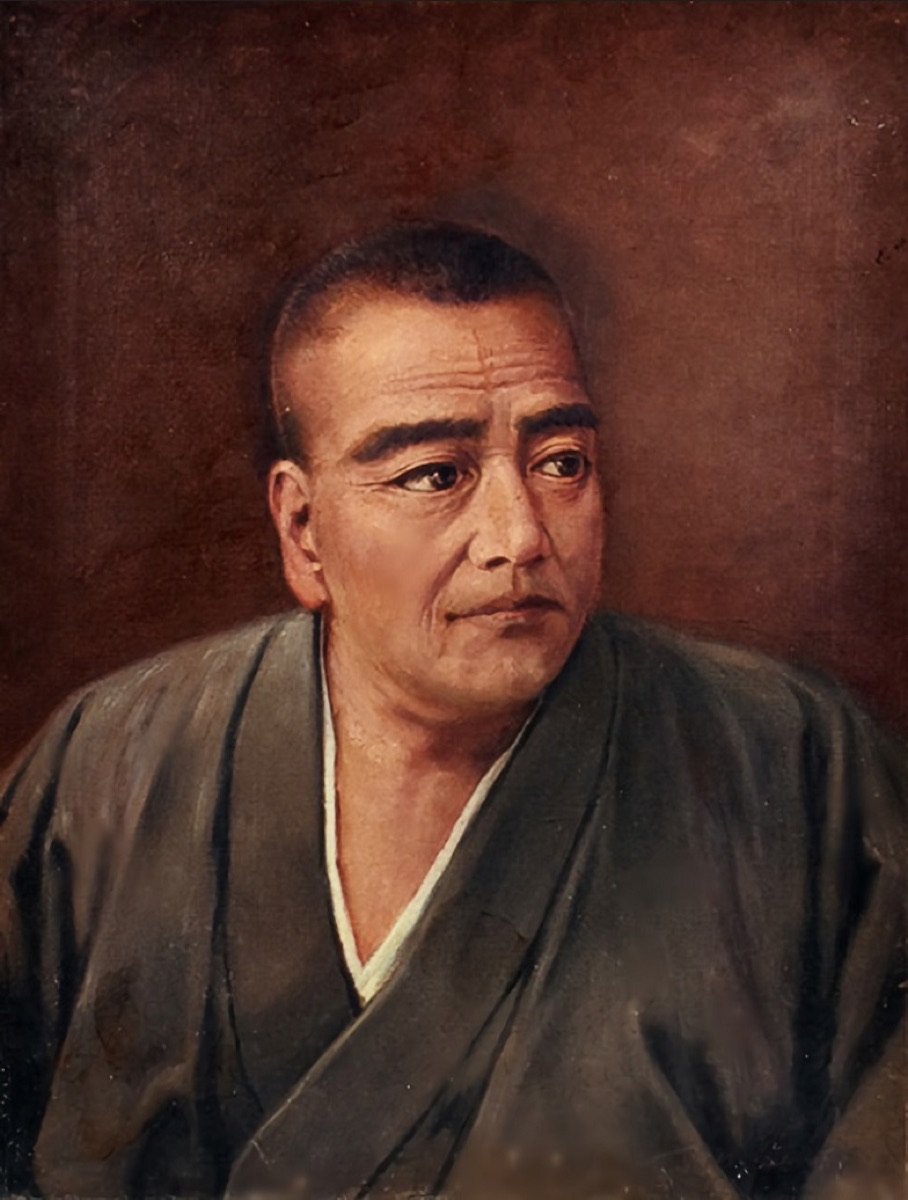
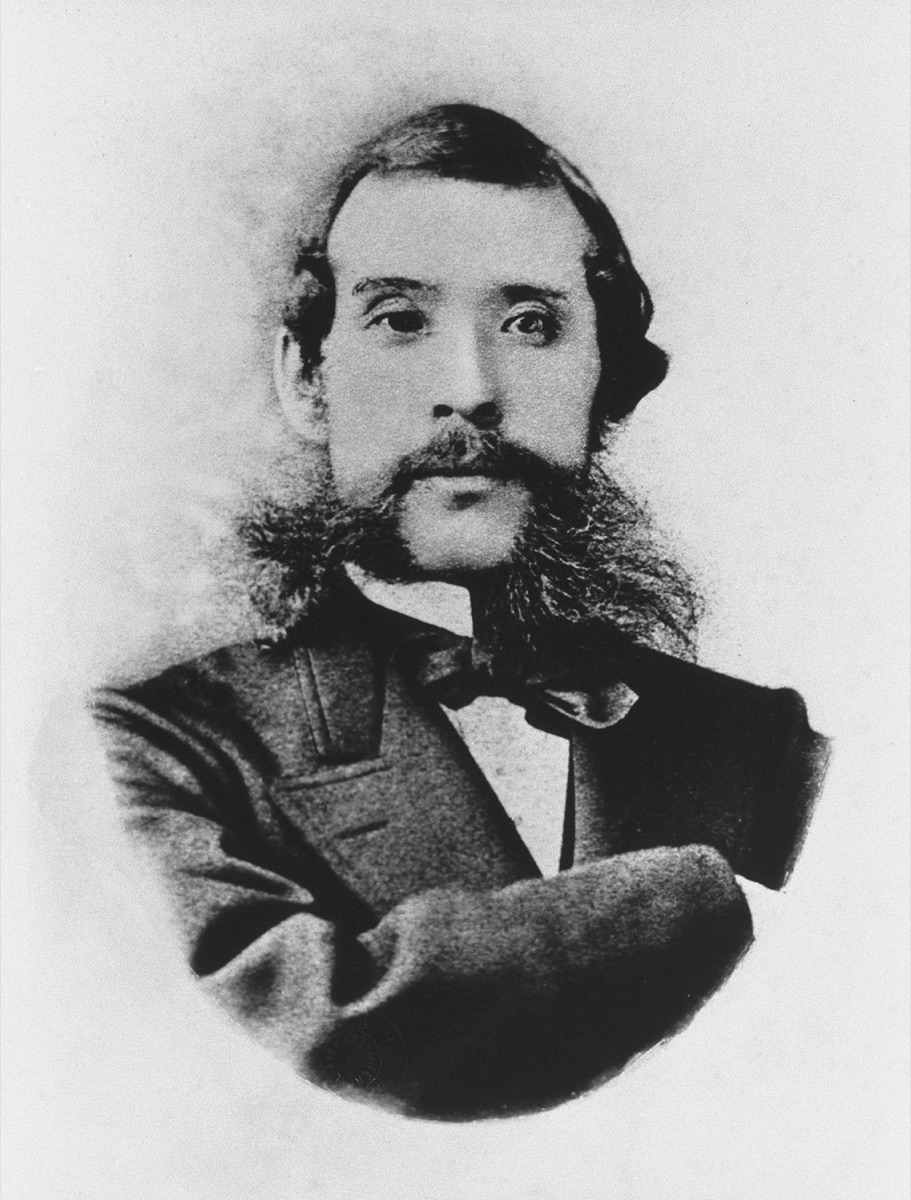
Person profiles are currently available in Japanese.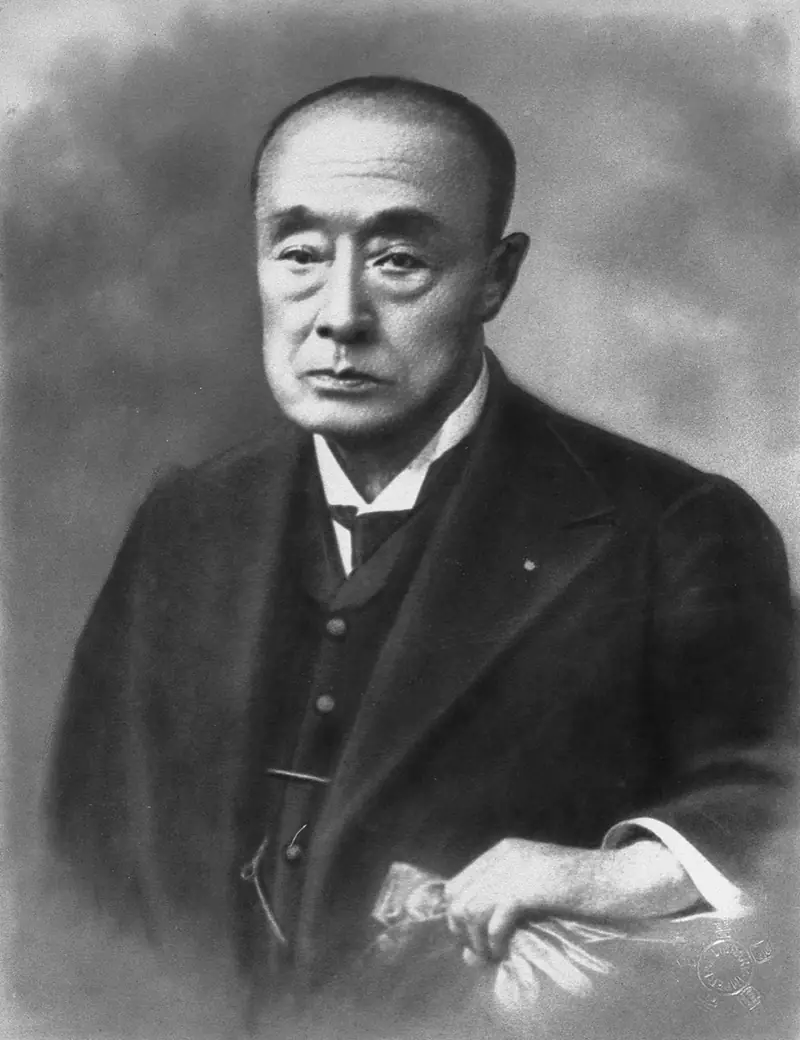
SOURCES
Evidence and further reading
Source titles and descriptions are shown in Japanese so you can identify the original institutional page.