Nara period / ESSENTIAL EVENT
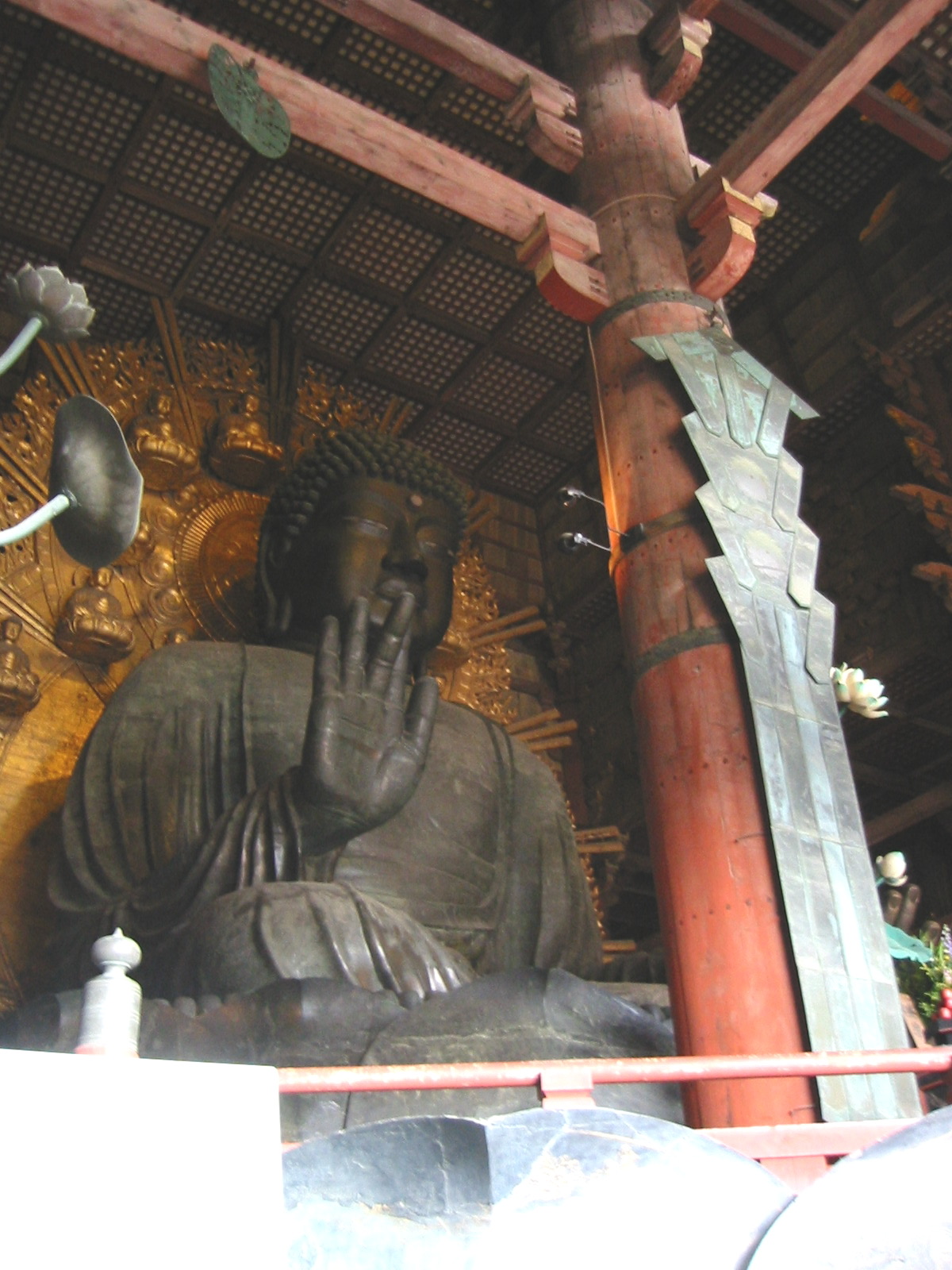
The Great Buddha of Todai-ji Is Consecrated
The eye-opening ceremony for the colossal Vairocana Buddha brought together imperial authority, Buddhist belief, specialised knowledge and resources gathered across the realm.- Historical place
- 大和国・東大寺
- People connected
- 2
Why it happened
The court of Emperor Shomu faced epidemic, crop failures and political unrest. Shomu promoted provincial temples and the Great Buddha as part of a Buddhist vision of protection and connection, while relying on officials, monks, craftspeople and popular participation to realise the project.
What happened
Casting resumed at the Todai-ji site after the court returned to Heijo-kyo. The bronze body was completed in 749, and a grand consecration ceremony was held in 752. The Indian monk Bodhisena performed the eye-opening rite before an international gathering of clergy, dignitaries and performers.
What came next
Construction of the wider temple complex continued after the ceremony. The project consumed enormous quantities of metal, timber, labour and wealth, and Todai-ji developed as both a state temple and a major centre of Buddhist scholarship and ritual.
Why it still matters
The Great Buddha embodies both aspiration and cost. It shows how the eighth-century state used religion to imagine unity while depending on far-reaching systems of taxation, labour, technical expertise and institutional cooperation.
PLACE
Read the landscape
Todai-ji in Nara remains the essential site. Pairing the Great Buddha Hall with the museum and nearby former palace makes the project’s religious and political scale clearer.
Open the historical location on a map ↗PEOPLE
People in this story
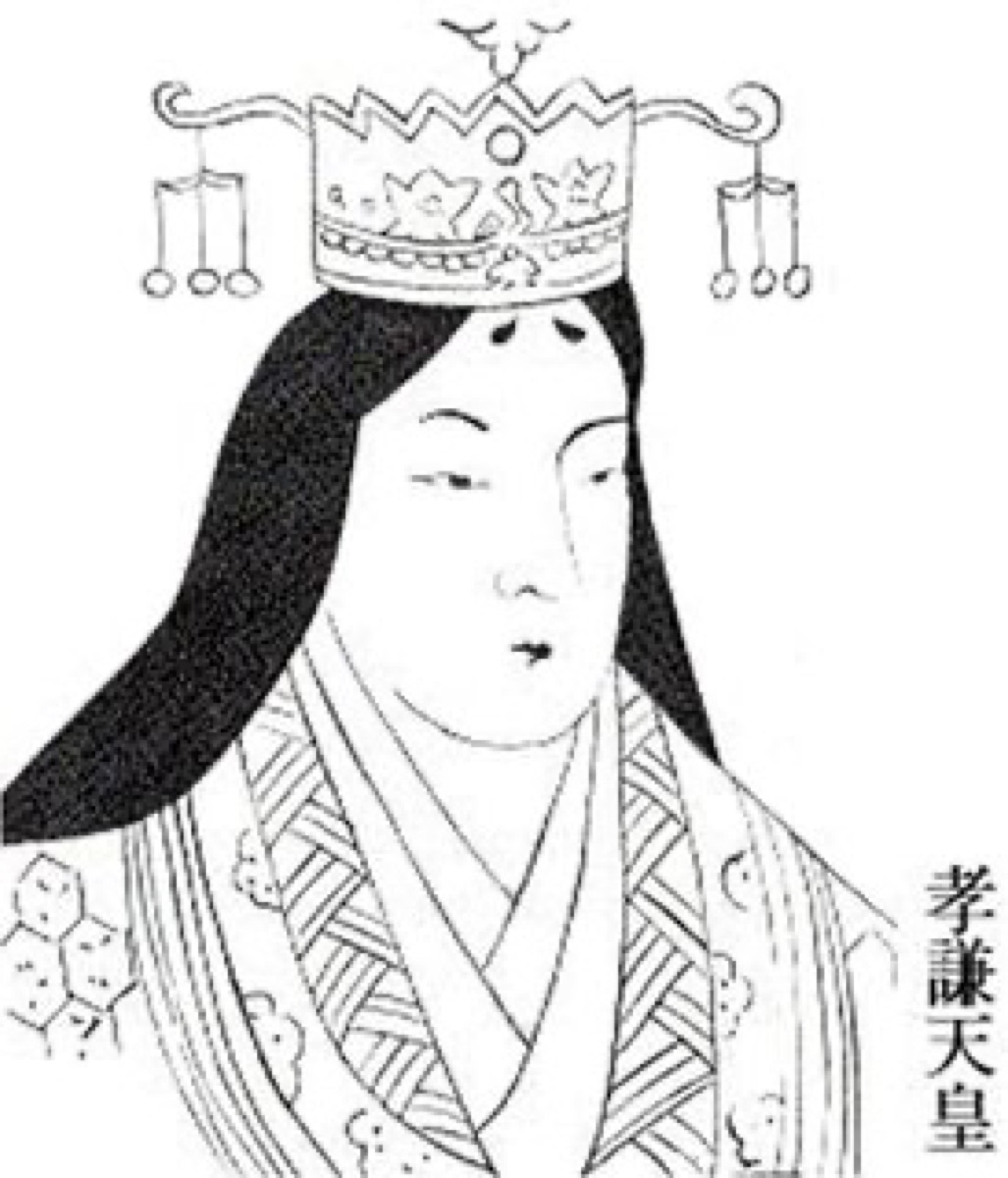
Person profiles are currently available in Japanese.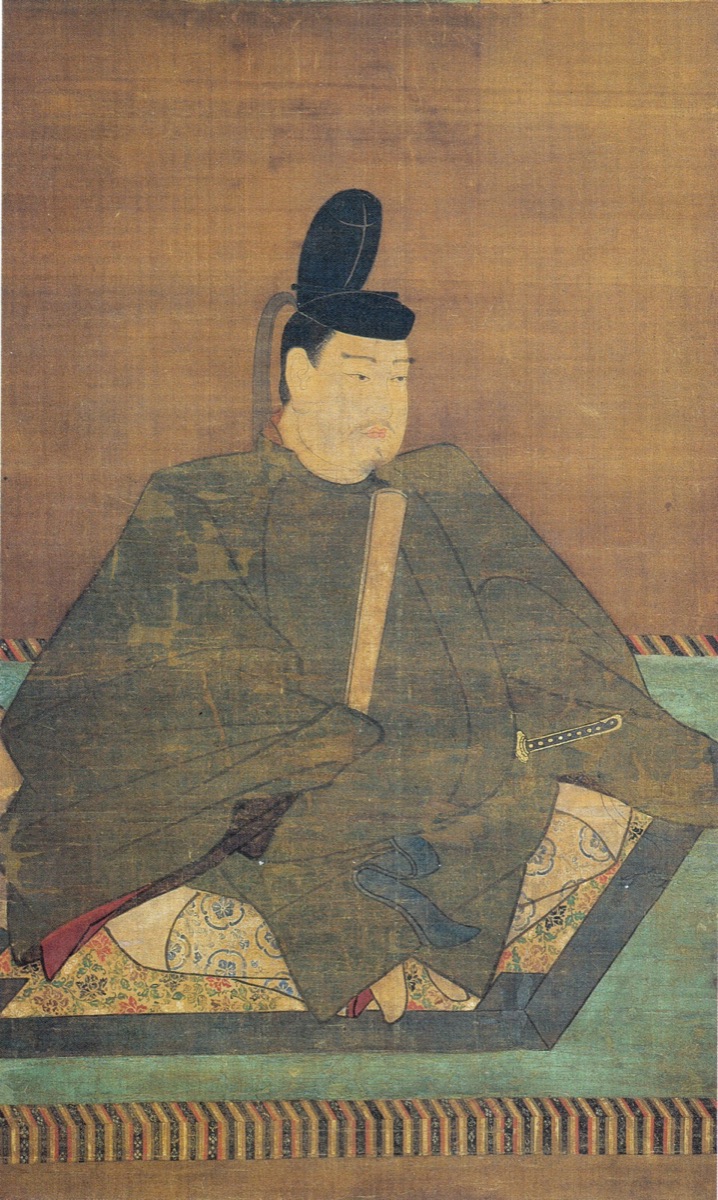
SOURCES
Evidence and further reading
Source titles and descriptions are shown in Japanese so you can identify the original institutional page.