Muromachi period / ESSENTIAL EVENT
The Onin War
Overlapping succession disputes divided Kyoto into rival military camps and weakened the Ashikaga shogunate’s ability to settle conflicts.- Historical place
- 山城国・上御霊社
- People connected
- 4
Why it happened
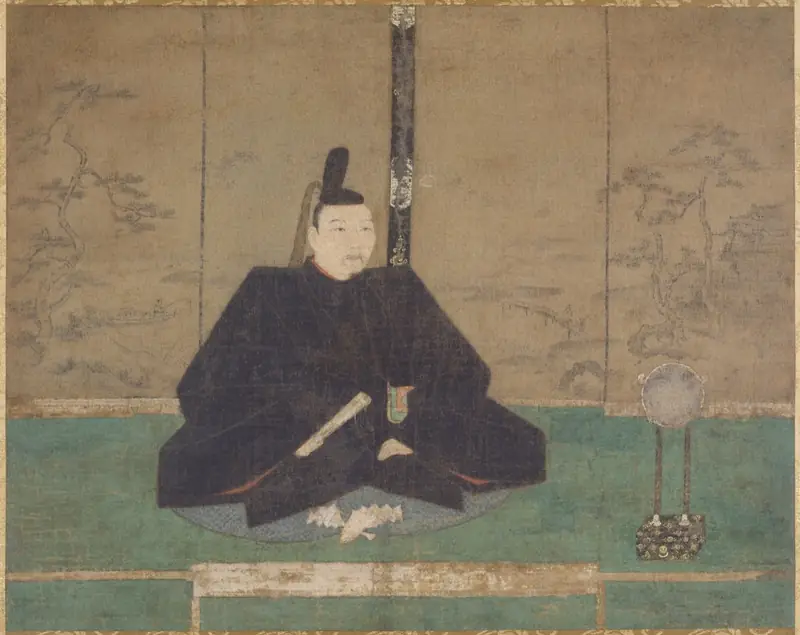
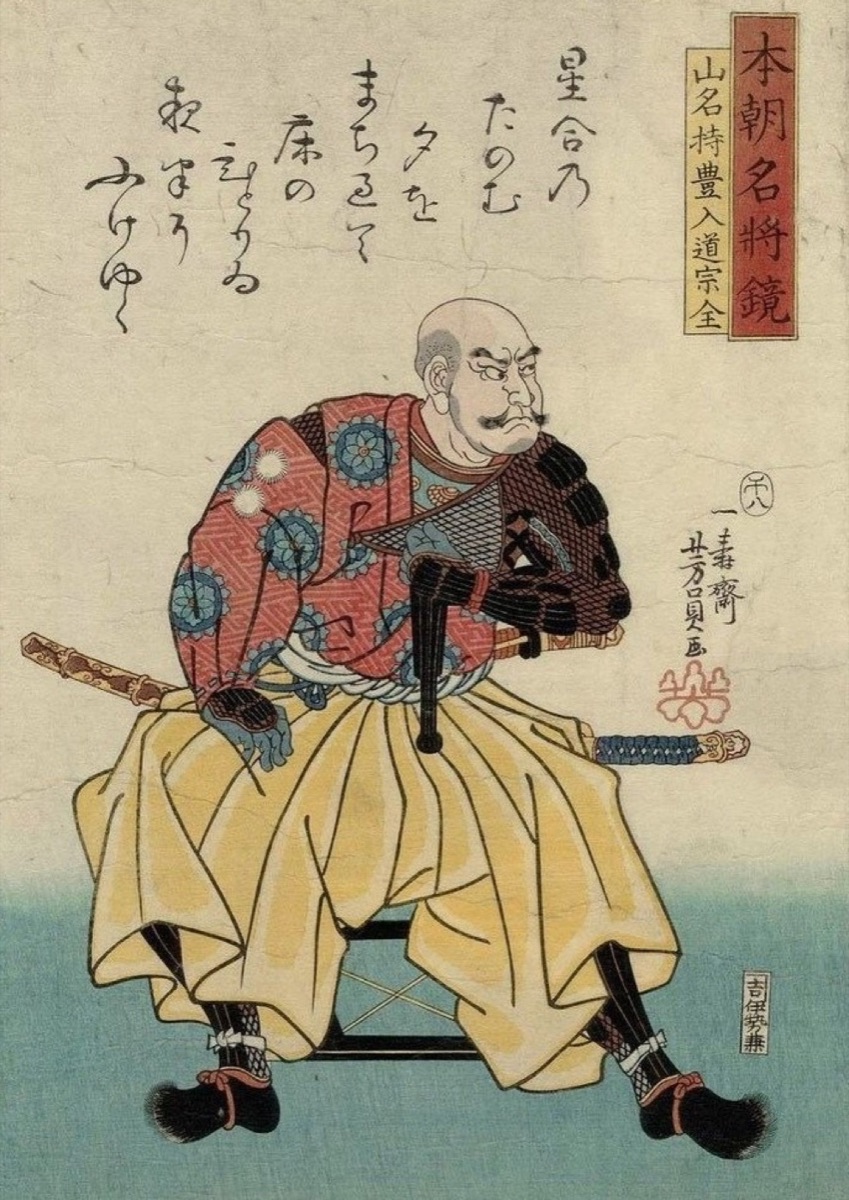
Disputes inside the Hatakeyama and Shiba families intersected with competition between Hosokawa Katsumoto and Yamana Sozen. Uncertainty around the shogunal succession added another layer, but no single family dispute caused the war by itself.
What happened
Fighting began near Kamigoryo Shrine and expanded into urban warfare. Mansions and temples became fortified positions, fire destroyed large districts, and armies drew on provincial interests far beyond Kyoto.
What came next
The deaths of the two principal commanders did not immediately end the conflict. When western forces withdrew in 1477, the city was devastated and the shogunate’s authority over regional disputes had sharply declined.
Why it still matters
The war is often treated as the opening of the Sengoku age. The transition varied by region, but the conflict clearly accelerated local autonomy, warrior competition and political fragmentation.
PLACE
Read the landscape
Kyoto’s Kamigoryo Shrine, Nishijin district and surviving markers help visitors trace a battlefield largely hidden beneath the modern city.
Open the historical location on a map ↗PEOPLE
People in this story
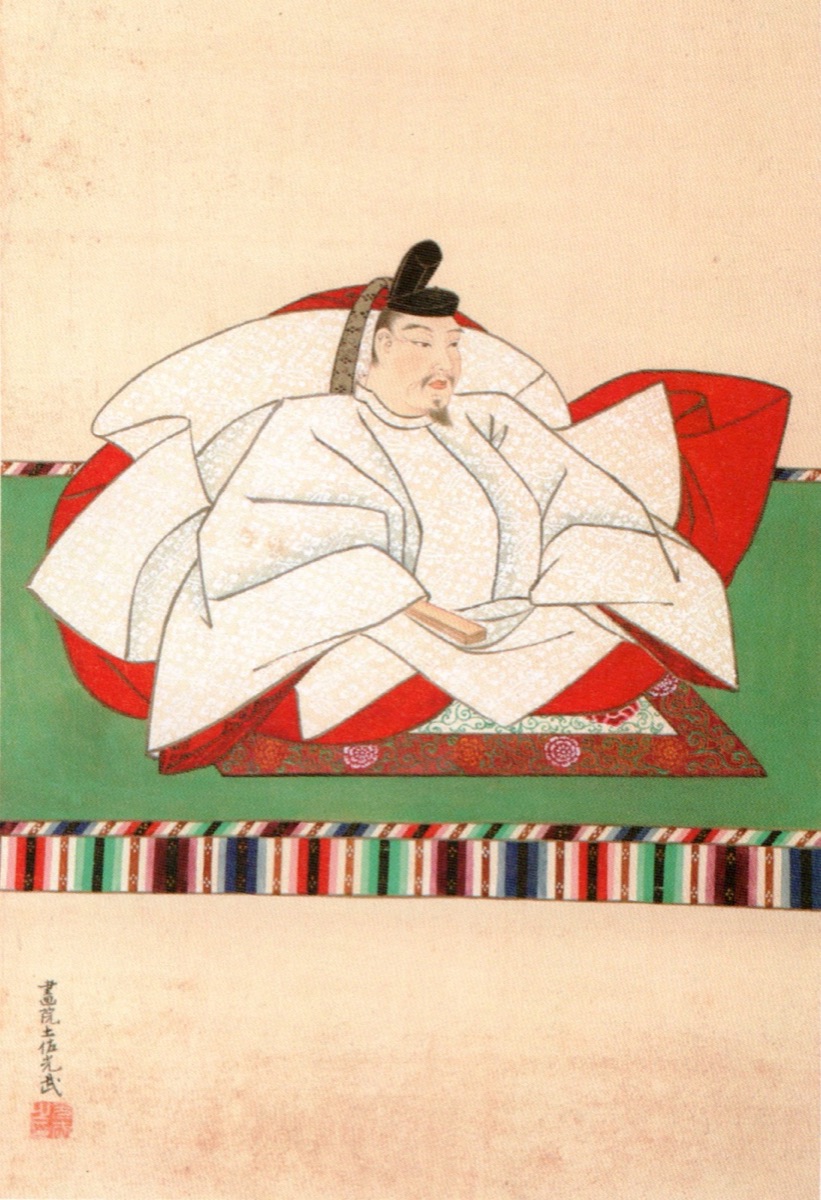
Person profiles are currently available in Japanese.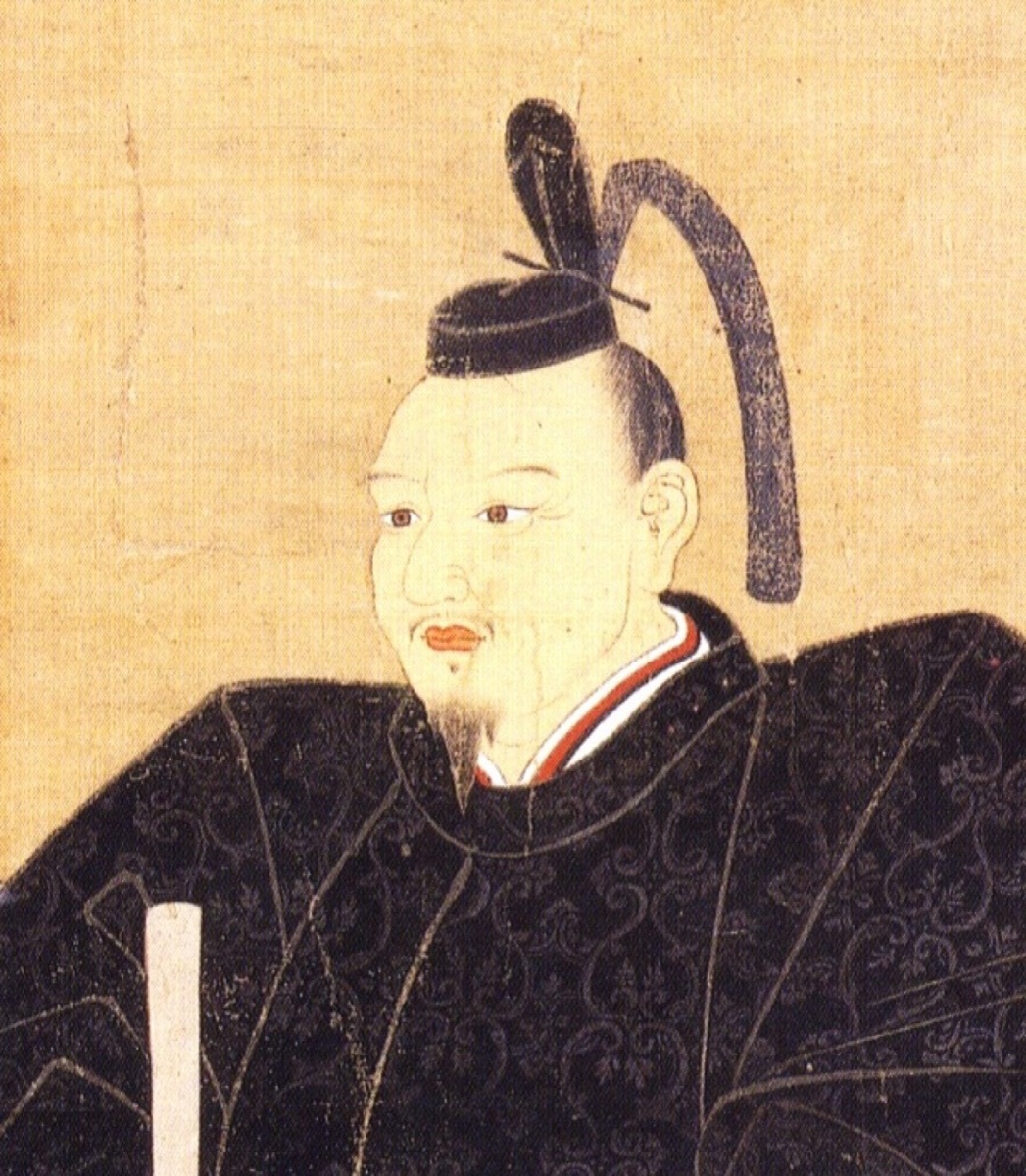
SOURCES
Evidence and further reading
Source titles and descriptions are shown in Japanese so you can identify the original institutional page.