Nara period / ESSENTIAL EVENT
The Capital Moves to Heijo-kyo
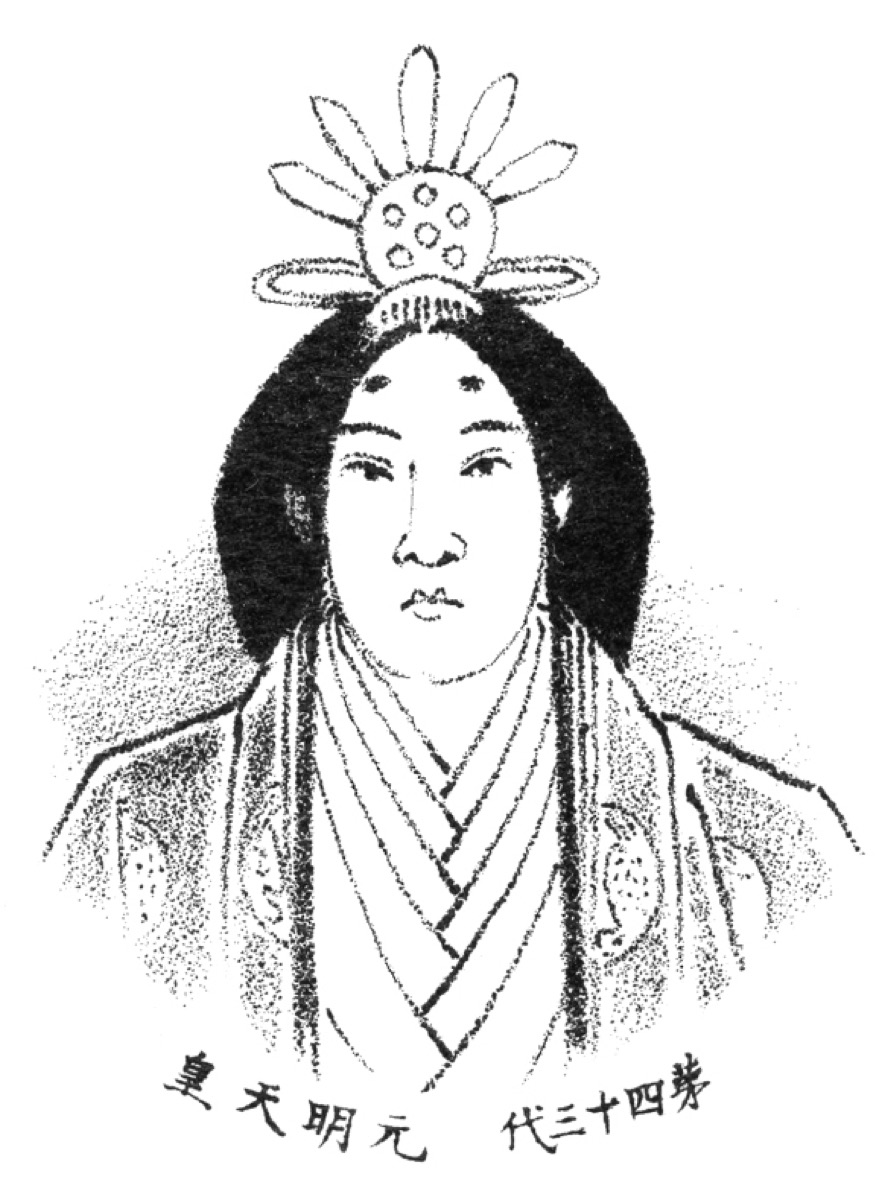
Empress Genmei moved the court to a vast planned capital whose avenues, palace and temples made the ritsuryo state visible in urban form.- Historical place
- 大和国・平城京
- People connected
- 2
Why it happened
The court had already built a continental-style capital at Fujiwara-kyo and completed the Taiho legal code. A larger administrative centre was needed for government offices, court ceremony, aristocratic residences and the growing flow of taxes and goods from the provinces.
What happened
In 710, the capital moved north to Heijo-kyo in the Nara basin. Its gridded plan and broad Suzaku Avenue drew on knowledge of Tang capital design, while its actual layout adapted to local terrain and the needs of the Japanese court.
What came next
Heijo-kyo remained the principal capital until 784, although Emperor Shomu moved the court several times between 740 and 745. The city became the setting for official chronicles, state temples, international exchange and struggles over land, office and succession.
Why it still matters
The move was more than a change of royal residence. It created an administrative landscape that linked the palace to provinces and made the ambitions—and heavy demands—of the ancient state easier to see.
PLACE
Read the landscape
At the Heijo Palace Site Historical Park, the reconstructed gates, palace precinct and line of Suzaku Avenue reveal the scale of the eighth-century capital.
Open the historical location on a map ↗PEOPLE
People in this story
Person profiles are currently available in Japanese.
SOURCES
Evidence and further reading
Source titles and descriptions are shown in Japanese so you can identify the original institutional page.