Heian period / ESSENTIAL EVENT
The Capital Moves to Heian-kyo
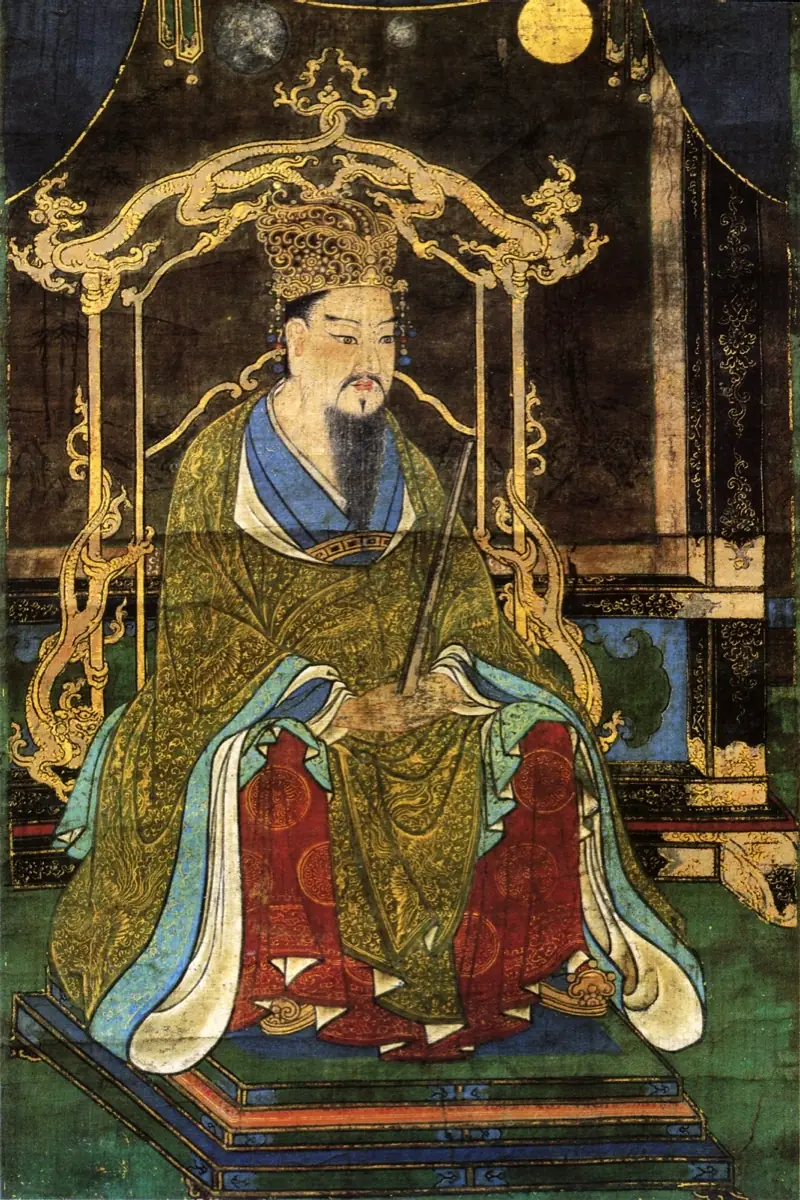
Emperor Kanmu established a new capital at Heian-kyo, the city that would remain the seat of the court for more than a thousand years.- Historical place
- 山城国・平安京
- People connected
- 2
Why it happened
The court had moved from Nara to Nagaoka-kyo only ten years earlier. Political conflict, an assassination and practical difficulties weakened the Nagaoka project, while Emperor Kanmu pursued tighter control of government and distance from Nara’s great temples.
What happened
A new grid-planned capital was laid out in a basin with the imperial palace in the north. Heian-kyo borrowed the language of continental capital planning, but its institutions and neighbourhoods developed in distinctly local ways.
What came next
The city became the centre of aristocratic politics, literature, religion and ceremony. Although wars and fires repeatedly changed its appearance, Kyoto remained the imperial capital until the modern move of the emperor to Tokyo.
Why it still matters
The founding of Heian-kyo created the spatial stage for court culture and later for conflict between court, temples, warriors and townspeople. Much of Kyoto’s historical geography begins with this decision.
PLACE
Read the landscape
Kyoto’s modern streets still preserve parts of the ancient grid. The Kyoto City Heiankyo Sosei-kan and surviving temple sites help make the old capital legible.
Open the historical location on a map ↗PEOPLE
People in this story
Person profiles are currently available in Japanese.
SOURCES
Evidence and further reading
Source titles and descriptions are shown in Japanese so you can identify the original institutional page.